



Je cadeautjes zeker op tijd in huis hebben voor de feestdagen? Kom langs in onze winkels en vind het perfecte geschenk!
- Afhalen na 1 uur in een winkel met voorraad
- Gratis thuislevering in België vanaf € 30
- Ruim aanbod met 7 miljoen producten
Je cadeautjes zeker op tijd in huis hebben voor de feestdagen? Kom langs in onze winkels en vind het perfecte geschenk!
- Afhalen na 1 uur in een winkel met voorraad
- Gratis thuislevering in België vanaf € 30
- Ruim aanbod met 7 miljoen producten





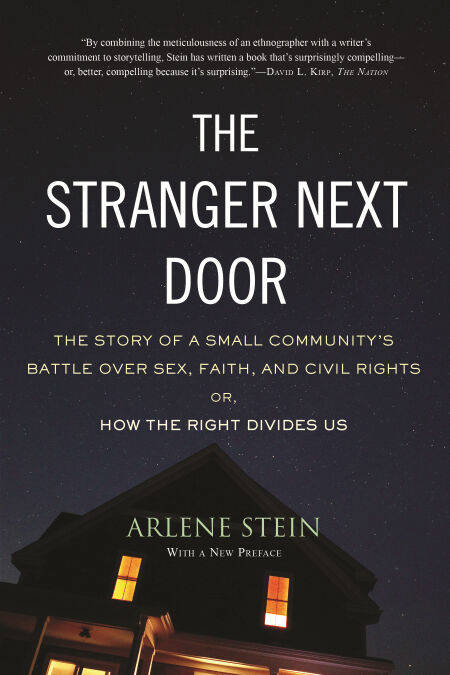
The Stranger Next Door E-BOOK
The Story of a Small Community's Battle over Sex, Faith, and Civil Rights; Or, How the Right Divides Us
Arlene Stein
E-book | Engels
€ 18,68
+ 18 punten
Omschrijving
Winner of the Ruth Benedict Prize
The story of a small town’s fight over LGBTQ+ rights that reveals how the far right weaponizes social issues to declare whose lives are valuable—and whose are expendable
A new preface bridges the past and the present in Arlene Stein’s award-winning work of narrative sociology, The Stranger Next Door, contextualizing the so-called “culture wars” as they have evolved since the post-Reagan years. With deep on-the-ground research and vivid storytelling, Stein explores how the right mobilizes fear and uncertainty to shift blame onto “strangers” and how these symbolic struggles undermine democracy.
Faced with globalization and automation, the working-class citizens of the Pacific Northwest’s “Timbertown” felt left behind, fearing job loss and the hollowing out of their small town. Religious conservatives convinced many local citizens that queer people were to blame. A bitter battle to deny the civil liberties of sexual minorities ensued.
Though set in the 1990s, The Stranger Next Door is a story that echoes loudly today. Stein looks at how local conflicts over LGTBQ+ rights and other social issues paved the way for the contemporary right-wing populist resurgence. The Stranger Next Door positions today’s battles over transgender rights and critical race theory in a long-running struggle to define America, offering a razor-sharp examination of how the right manufactures local culture wars to divide and conquer.
The story of a small town’s fight over LGBTQ+ rights that reveals how the far right weaponizes social issues to declare whose lives are valuable—and whose are expendable
A new preface bridges the past and the present in Arlene Stein’s award-winning work of narrative sociology, The Stranger Next Door, contextualizing the so-called “culture wars” as they have evolved since the post-Reagan years. With deep on-the-ground research and vivid storytelling, Stein explores how the right mobilizes fear and uncertainty to shift blame onto “strangers” and how these symbolic struggles undermine democracy.
Faced with globalization and automation, the working-class citizens of the Pacific Northwest’s “Timbertown” felt left behind, fearing job loss and the hollowing out of their small town. Religious conservatives convinced many local citizens that queer people were to blame. A bitter battle to deny the civil liberties of sexual minorities ensued.
Though set in the 1990s, The Stranger Next Door is a story that echoes loudly today. Stein looks at how local conflicts over LGTBQ+ rights and other social issues paved the way for the contemporary right-wing populist resurgence. The Stranger Next Door positions today’s battles over transgender rights and critical race theory in a long-running struggle to define America, offering a razor-sharp examination of how the right manufactures local culture wars to divide and conquer.
Specificaties
Betrokkenen
- Auteur(s):
- Uitgeverij:
Inhoud
- Aantal bladzijden:
- 304
- Taal:
- Engels
Eigenschappen
- Productcode (EAN):
- 9780807007204
- Verschijningsdatum:
- 5/12/2022
- Uitvoering:
- E-book
- Beveiligd met:
- Adobe DRM
- Formaat:
- ePub



Alleen bij Standaard Boekhandel
+ 18 punten op je klantenkaart van Standaard Boekhandel
CADEAU


Beoordelingen
We publiceren alleen reviews die voldoen aan de voorwaarden voor reviews. Bekijk onze voorwaarden voor reviews.