


- Afhalen na 1 uur in een winkel met voorraad
- Gratis thuislevering in België vanaf € 30
- Ruim aanbod met 7 miljoen producten
- Afhalen na 1 uur in een winkel met voorraad
- Gratis thuislevering in België vanaf € 30
- Ruim aanbod met 7 miljoen producten





€ 38,45
+ 76 punten
Omschrijving
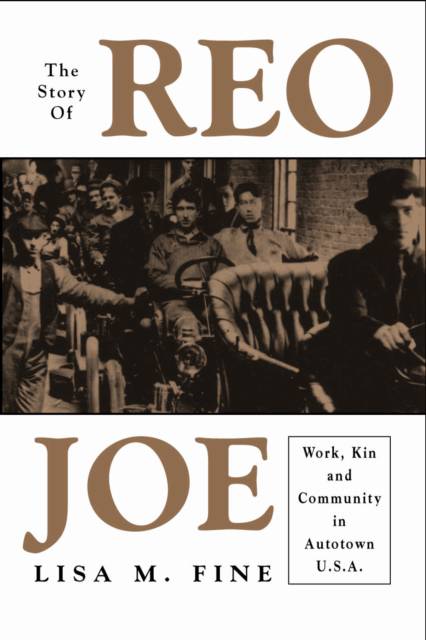
For seventy years, the Reo Motor Car Company operated in Lansing, Michigan, and encouraged its thousands of workers to think of themselves as part of a big factory family. The workforce, made up of primarily white, rural, native-born Protestant men, was dubbed Reo Joe. These ordinary fellows had ordinary aspirations: job security, decent working conditions, and sufficient pay to support a family. They treasured leisure time for family activities (many sponsored by the company), hunting, and their fraternal organizations. Even after joining a union, Reo Joes remained loyal to the company and proud of the community built around it. Lisa M. Fine tells this story from the workers' perspective on the vast social, economic, and political changes that took place in the first three-quarters of the twentieth century. She explores their understanding of the city where they lived, the industry that employed them, and the ideas about work, manhood, race, and family that shaped their identity. The Story of Reo Joe is, then, a book about historical memory; it challenges us to reconsider what we think we know about corporate welfare, unionization, de-industrialization, and working class leisure.
Specificaties
Betrokkenen
- Auteur(s):
- Uitgeverij:
Inhoud
- Aantal bladzijden:
- 239
- Taal:
- Engels
- Reeks:
Eigenschappen
- Productcode (EAN):
- 9781592132584
- Verschijningsdatum:
- 9/06/2004
- Uitvoering:
- Paperback
- Formaat:
- Trade paperback (VS)
- Afmetingen:
- 151 mm x 227 mm
- Gewicht:
- 349 g


Alleen bij Standaard Boekhandel
+ 76 punten op je klantenkaart van Standaard Boekhandel
Cadeau

AANGERADEN


Beoordelingen
We publiceren alleen reviews die voldoen aan de voorwaarden voor reviews. Bekijk onze voorwaarden voor reviews.