


- Afhalen na 1 uur in een winkel met voorraad
- Gratis thuislevering in België vanaf € 30
- Ruim aanbod met 7 miljoen producten
- Afhalen na 1 uur in een winkel met voorraad
- Gratis thuislevering in België vanaf € 30
- Ruim aanbod met 7 miljoen producten





€ 19,99
+ 19 punten
Omschrijving
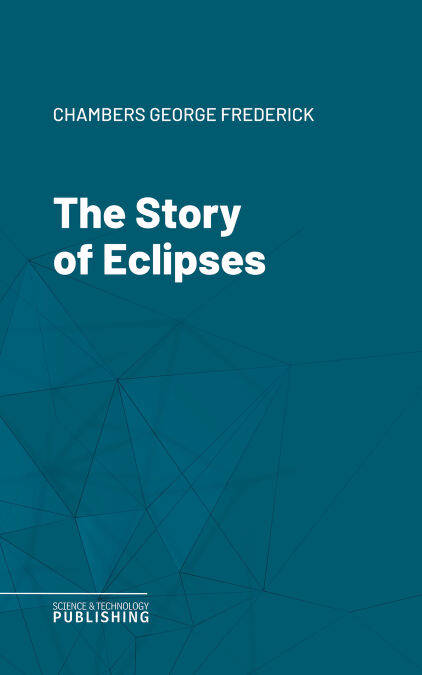
The Story of Eclipses by George F. Chambers is a comprehensive and engaging exploration of one of nature’s most awe-inspiring phenomena: the eclipse. First published in 1900, this classic work delves into the science, history, and cultural significance of both solar and lunar eclipses, making it accessible to both amateur astronomers and general readers. Chambers begins by explaining the fundamental astronomical principles behind eclipses, including the movements of the Earth, Moon, and Sun, and the conditions necessary for an eclipse to occur. He provides clear descriptions of the different types of eclipses—total, partial, and annular—and discusses the frequency and predictability of these events. The book is rich with historical anecdotes, recounting how eclipses have been interpreted and recorded by various civilizations throughout history. Chambers highlights famous eclipses that have influenced scientific discovery, mythology, and even the course of human events. He also addresses the superstitions and fears that eclipses have inspired, contrasting them with the rational explanations provided by modern science. In addition to the historical and scientific content, The Story of Eclipses offers practical advice for observing eclipses, including tips on safe viewing and the use of telescopes and other instruments. Chambers includes detailed tables and diagrams to help readers understand the mechanics of eclipses and to predict future occurrences. The book is illustrated with engravings and charts that enhance the reader’s understanding and appreciation of these celestial events. Overall, The Story of Eclipses stands as a thorough and fascinating guide to eclipses, blending scientific rigor with storytelling to illuminate the mysteries of the heavens. It remains a valuable resource for anyone interested in astronomy, history, or the enduring wonder of the night sky.
Specificaties
Betrokkenen
- Auteur(s):
- Uitgeverij:
Inhoud
- Taal:
- Engels
Eigenschappen
- Productcode (EAN):
- 9782528104200
- Verschijningsdatum:
- 31/08/2025
- Uitvoering:
- E-book
- Formaat:
- ePub


Alleen bij Standaard Boekhandel
+ 19 punten op je klantenkaart van Standaard Boekhandel
Cadeau

AANGERADEN


Beoordelingen
We publiceren alleen reviews die voldoen aan de voorwaarden voor reviews. Bekijk onze voorwaarden voor reviews.