


- Afhalen na 1 uur in een winkel met voorraad
- Gratis thuislevering in België vanaf € 30
- Ruim aanbod met 7 miljoen producten
- Afhalen na 1 uur in een winkel met voorraad
- Gratis thuislevering in België vanaf € 30
- Ruim aanbod met 7 miljoen producten





€ 19,99
+ 19 punten
Eenvoudig bestellen
Veilig betalen


Onmiddellijk geleverd via e-mail
Omschrijving
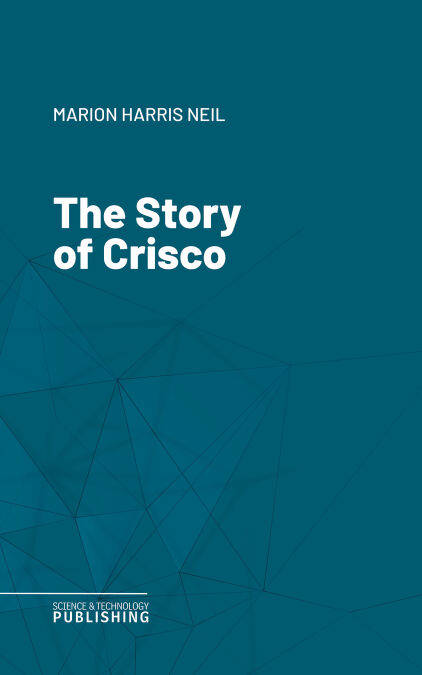
The Story of Crisco is a fascinating early 20th-century publication that serves as both a promotional piece and a comprehensive guide to the then-revolutionary cooking product, Crisco. Published in 1916 by The Procter & Gamble Company, the book introduces readers to the science and benefits behind Crisco, the first all-vegetable shortening, which was marketed as a healthier, more digestible, and more economical alternative to traditional animal fats like lard and butter. The narrative begins with an engaging account of the discovery and development of Crisco, highlighting the technological advancements that made its production possible and emphasizing its purity, versatility, and suitability for a wide range of culinary uses. The book is not just a history or advertisement; it is also a practical manual for home cooks. It contains a wealth of recipes—over 600 in total—ranging from breads, cakes, and pastries to fried foods and savory dishes, all designed to showcase Crisco’s unique properties. Each recipe is accompanied by detailed instructions and tips, making the book accessible to both novice and experienced cooks. Interspersed throughout are testimonials, endorsements from health experts, and comparisons to other cooking fats, all aimed at reassuring readers of Crisco’s superiority. Beyond its culinary content, The Story of Crisco offers a window into the domestic culture and marketing strategies of early 20th-century America. It reflects the era’s growing interest in scientific progress, nutrition, and modern household management. The book’s tone is friendly and persuasive, often addressing the reader directly and appealing to their desire for wholesome, economical, and efficient cooking. With its blend of storytelling, instruction, and marketing, The Story of Crisco remains a unique artifact of food history, illustrating how a single product could transform American kitchens and eating habits.
Specificaties
Betrokkenen
- Auteur(s):
- Uitgeverij:
Inhoud
- Taal:
- Engels
Eigenschappen
- Productcode (EAN):
- 9782528101681
- Verschijningsdatum:
- 31/08/2025
- Uitvoering:
- E-book
- Formaat:
- ePub


Alleen bij Standaard Boekhandel
+ 19 punten op je klantenkaart van Standaard Boekhandel
CADEAU

AANGERADEN


Beoordelingen
We publiceren alleen reviews die voldoen aan de voorwaarden voor reviews. Bekijk onze voorwaarden voor reviews.