


- Afhalen na 1 uur in een winkel met voorraad
- Gratis thuislevering in België vanaf € 30
- Ruim aanbod met 7 miljoen producten
- Afhalen na 1 uur in een winkel met voorraad
- Gratis thuislevering in België vanaf € 30
- Ruim aanbod met 7 miljoen producten





Omschrijving
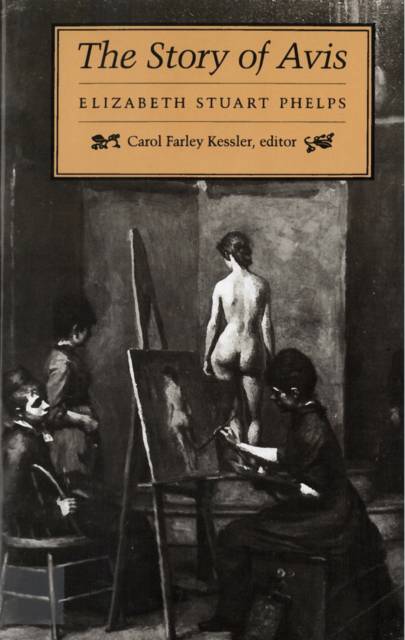
Avis is a nineteenth-century painter who strives to keep herself free of marriage and entanglements. As a child, Avis decides that given a woman's options of marriage or being a "lady," "I think I'd rather keep dogs." She is caught all the same, by a "modern man" and through her life, Elizabeth Stuart Phelps describes the struggle of a woman to be wife, mother, and artist. Although Avis declares and her fiance agrees that she must not "resign my profession as an artist," the reality greets her with their first house: "It was not quite clear where the studio was to be, unless in the attic." But the house is near the college, where her husband teaches, and that "in the view of the New England winters, and the delicate health of the young professor, was decisive." She returns from an hour in her studio to clogged drains and unexpected company, descending "from the sphinx to the drainpipe in one fell swoop." Truly, she does hate housekeeping, and while she loves her baby, "sometimes, sitting burdened with the child upon her arms, she looked out and off upon the summer sky with a strangling desolation like that of a forgotten diver, who sees the clouds flit, from the bottom of the sea." And so it goes. How modern is the "modern man" and how much do women's roles ever change? This book, written more than one hundred years ago, will still seem very real to many women today. -- From 500 Great Books by Women; review by Erica Bauermeister
Specificaties
Betrokkenen
- Auteur(s):
- Uitgeverij:
Inhoud
- Aantal bladzijden:
- 312
- Taal:
- Engels
Eigenschappen
- Productcode (EAN):
- 9780813510996
- Verschijningsdatum:
- 1/06/1985
- Uitvoering:
- Paperback
- Formaat:
- Trade paperback (VS)
- Afmetingen:
- 136 mm x 214 mm
- Gewicht:
- 426 g



Alleen bij Standaard Boekhandel
+ 135 punten op je klantenkaart van Standaard Boekhandel
Cadeau

AANGERADEN


Beoordelingen
We publiceren alleen reviews die voldoen aan de voorwaarden voor reviews. Bekijk onze voorwaarden voor reviews.