


- Afhalen na 1 uur in een winkel met voorraad
- Gratis thuislevering in België vanaf € 30
- Ruim aanbod met 7 miljoen producten
- Afhalen na 1 uur in een winkel met voorraad
- Gratis thuislevering in België vanaf € 30
- Ruim aanbod met 7 miljoen producten





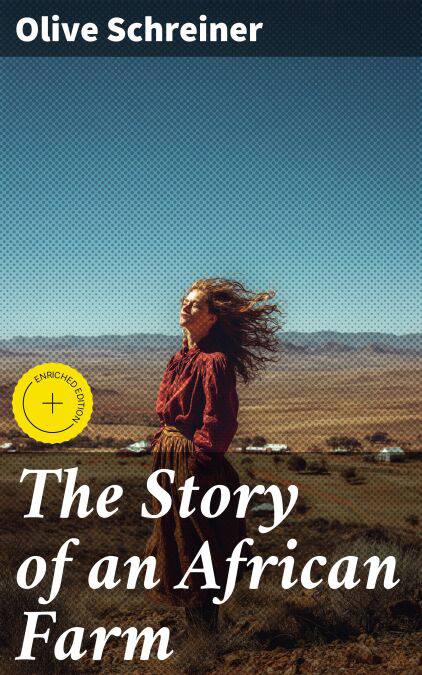
The Story of an African Farm E-BOOK
Enriched edition. Navigating identity and love in colonial South Africa
Olive Schreiner
E-book | Engels
€ 0,49
Uitvoering
Omschrijving
In her groundbreaking novel, "The Story of an African Farm," Olive Schreiner intricately weaves a narrative that explores the struggles of identity, gender, and colonialism in late 19th-century South Africa. Written in a vivid and evocative prose style, the book alternates between philosophical introspection and sharp social commentary, employing a semi-autobiographical approach. Set against the backdrop of the Karoo desert, the narrative unfolds through the lives of its complex characters'—particularly the spirited young protagonist, Lyndall'—as they navigate personal aspirations and societal constraints within a patriarchal and colonial society. Critics have lauded the work for its pioneering feminist themes and its challenge to the conventions of Victorian literature, marking it as a precursor to modernist explorations of consciousness and existentialism. Olive Schreiner, herself raised on a remote farm, experienced firsthand the intersection of colonial life, gender roles, and social injustice that pervades her literary work. Her extensive involvement in political activism and feminist movements deeply influenced her writing, leading her to advocate for social reform and the rights of women. Schreiner's experiences and observations of the complex socio-political landscape uniquely positioned her to articulate the challenges faced by individuals caught between personal desires and societal expectations. I wholeheartedly recommend "The Story of an African Farm" to readers interested in rich, multilayered narratives that offer profound insights into the human condition. Schreiner's exceptional ability to blend personal struggle with broader socio-political themes creates a compelling tapestry of life in colonial South Africa. This novel not only enriches the reader's understanding of the era but also resonates with timeless questions about freedom, identity, and the quest for self-determination.
In this enriched edition, we have carefully created added value for your reading experience:
- A succinct Introduction situates the work's timeless appeal and themes.
- The Synopsis outlines the central plot, highlighting key developments without spoiling critical twists.
- A detailed Historical Context immerses you in the era's events and influences that shaped the writing.
- A thorough Analysis dissects symbols, motifs, and character arcs to unearth underlying meanings.
- Reflection questions prompt you to engage personally with the work's messages, connecting them to modern life.
- Hand‐picked Memorable Quotes shine a spotlight on moments of literary brilliance.
- Interactive footnotes clarify unusual references, historical allusions, and archaic phrases for an effortless, more informed read.
In this enriched edition, we have carefully created added value for your reading experience:
- A succinct Introduction situates the work's timeless appeal and themes.
- The Synopsis outlines the central plot, highlighting key developments without spoiling critical twists.
- A detailed Historical Context immerses you in the era's events and influences that shaped the writing.
- A thorough Analysis dissects symbols, motifs, and character arcs to unearth underlying meanings.
- Reflection questions prompt you to engage personally with the work's messages, connecting them to modern life.
- Hand‐picked Memorable Quotes shine a spotlight on moments of literary brilliance.
- Interactive footnotes clarify unusual references, historical allusions, and archaic phrases for an effortless, more informed read.
Specificaties
Betrokkenen
- Auteur(s):
- Uitgeverij:
Inhoud
- Aantal bladzijden:
- 292
- Taal:
- Engels
Eigenschappen
- Productcode (EAN):
- 4057664143693
- Verschijningsdatum:
- 18/11/2019
- Uitvoering:
- E-book
- Beveiligd met:
- Digital watermarking
- Formaat:
- ePub


Alleen bij Standaard Boekhandel
Cadeau

AANGERADEN


Beoordelingen
We publiceren alleen reviews die voldoen aan de voorwaarden voor reviews. Bekijk onze voorwaarden voor reviews.