


- Afhalen na 1 uur in een winkel met voorraad
- Gratis thuislevering in België vanaf € 30
- Ruim aanbod met 7 miljoen producten
- Afhalen na 1 uur in een winkel met voorraad
- Gratis thuislevering in België vanaf € 30
- Ruim aanbod met 7 miljoen producten



Omschrijving
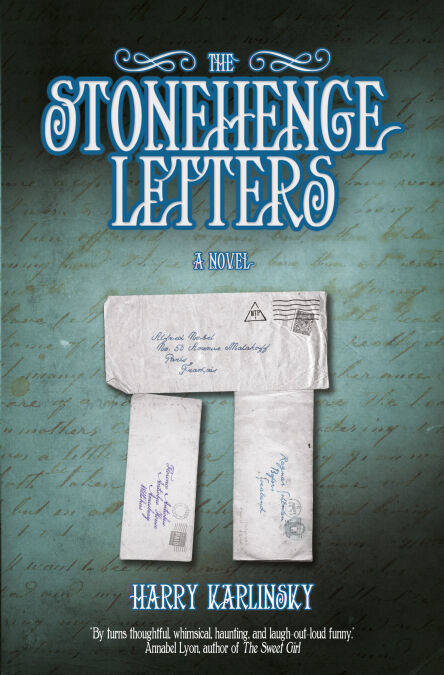
A remarkable new novel from the Wellcome Trust longlisted author.
While digging through the Nobel Archives in Stockholm, trying to figure out why his hero, Sigmund Freud, never received a Nobel Prize, a psychiatrist makes an unusual discovery.
Among the unsolicited self-nominations in the museum’s ‘Crackpot’ file there are six letters addressed to Mr Ragnar Sohlman, executor of Alfred Nobel’s will. Remarkably, all but one has been written by a Nobel laureate – including Rudyard Kipling, Ivan Pavlov, Teddy Roosevelt and Marie Curie. Each letter attempts to explain why and how Stonehenge was constructed. Diligent research eventually uncovers that Alfred Nobel, intrigued by a young woman's obsession with the mysterious landmark, added a secret codicil to his will:
A prize – reserved exclusively for Nobel laureates – was to be awarded to the person who can solve the mystery of Stonehenge.
Weaving together a wealth of primary documents – photos, letters, wills – The Stonehenge Letters is a wryly documented archive of a fascinating covert competition, complete with strange but illuminating submissions and a contentious prize-awarding process.
But is this fact or is this fiction?
While digging through the Nobel Archives in Stockholm, trying to figure out why his hero, Sigmund Freud, never received a Nobel Prize, a psychiatrist makes an unusual discovery.
Among the unsolicited self-nominations in the museum’s ‘Crackpot’ file there are six letters addressed to Mr Ragnar Sohlman, executor of Alfred Nobel’s will. Remarkably, all but one has been written by a Nobel laureate – including Rudyard Kipling, Ivan Pavlov, Teddy Roosevelt and Marie Curie. Each letter attempts to explain why and how Stonehenge was constructed. Diligent research eventually uncovers that Alfred Nobel, intrigued by a young woman's obsession with the mysterious landmark, added a secret codicil to his will:
A prize – reserved exclusively for Nobel laureates – was to be awarded to the person who can solve the mystery of Stonehenge.
Weaving together a wealth of primary documents – photos, letters, wills – The Stonehenge Letters is a wryly documented archive of a fascinating covert competition, complete with strange but illuminating submissions and a contentious prize-awarding process.
But is this fact or is this fiction?
Specificaties
Betrokkenen
- Auteur(s):
- Uitgeverij:
Inhoud
- Aantal bladzijden:
- 276
- Taal:
- Engels
Eigenschappen
- Productcode (EAN):
- 9780007464319
- Verschijningsdatum:
- 23/04/2014
- Uitvoering:
- E-book
- Beveiligd met:
- Adobe DRM
- Formaat:
- ePub


Alleen bij Standaard Boekhandel
+ 6 punten op je klantenkaart van Standaard Boekhandel

Beoordelingen
We publiceren alleen reviews die voldoen aan de voorwaarden voor reviews. Bekijk onze voorwaarden voor reviews.