


- Afhalen na 1 uur in een winkel met voorraad
- Gratis thuislevering in België vanaf € 30
- Ruim aanbod met 7 miljoen producten
- Afhalen na 1 uur in een winkel met voorraad
- Gratis thuislevering in België vanaf € 30
- Ruim aanbod met 7 miljoen producten





€ 25,71
+ 25 punten
Uitvoering
Omschrijving
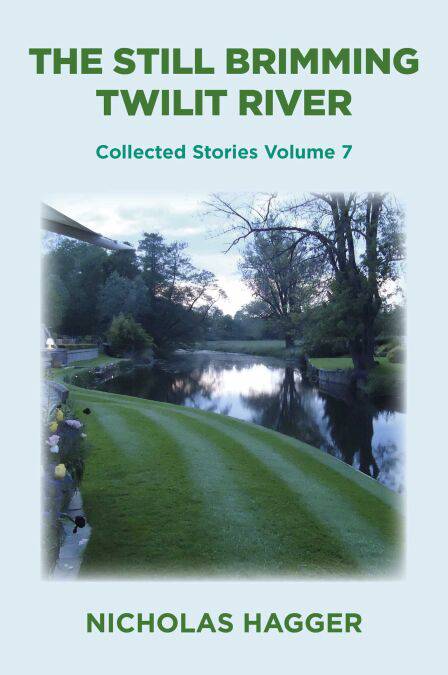
Short stories about the defiance of growing old, seeking new experiences in memorable images with vivid titles.
The Still Brimming Twilit River is volume 7 of Nicholas Hagger’s Collected Stories and follows The First Dazzling Chill of Winter/ (2016), which dealt with impending old age. The 1,202 short stories in the previous six volumes cover six decades (from the 1960s to the 2010s) in the life of Philip Rawley. This seventh volume covers a seventh decade and contains 220 more stories and deals with his defiance of growing old. Philip Rawley’s attitude is akin to Tennyson’s Ulysses who, despite the infirmities of old age, is ready to 'sail beyond the sunset and the baths/Of all the western stars' in search of new experience and new adventures. These mini-stories present a range of characters from a stable society. A number of these characters reappear in other stories, and are presented with their strengths, follies and flaws in different situations. The stories offer a complete literary experience in a page or two, and their brevity is innovatory. The combination of opposites in their vivid titles derives inspiration from the 17th century: Dr Johnson’s definition of the wit of the Metaphysical poets as 'a combination of dissimilar images' in which 'the most heterogeneous ideas are yoked by violence together' (‘Life of Cowley’). These stories are verbal paintings and present an image in action with a poet’s eye for significant detail. Hagger’s stories are imagistic, economical and vivid in clean prose and reflect the Age. They contain memorable images and studies of character. They are ideal for short concentration spans, reading on journeys or in bed. They drop into the consciousness like stones and leave the mind to reflect on the spreading ripples.
The Still Brimming Twilit River is volume 7 of Nicholas Hagger’s Collected Stories and follows The First Dazzling Chill of Winter/ (2016), which dealt with impending old age. The 1,202 short stories in the previous six volumes cover six decades (from the 1960s to the 2010s) in the life of Philip Rawley. This seventh volume covers a seventh decade and contains 220 more stories and deals with his defiance of growing old. Philip Rawley’s attitude is akin to Tennyson’s Ulysses who, despite the infirmities of old age, is ready to 'sail beyond the sunset and the baths/Of all the western stars' in search of new experience and new adventures. These mini-stories present a range of characters from a stable society. A number of these characters reappear in other stories, and are presented with their strengths, follies and flaws in different situations. The stories offer a complete literary experience in a page or two, and their brevity is innovatory. The combination of opposites in their vivid titles derives inspiration from the 17th century: Dr Johnson’s definition of the wit of the Metaphysical poets as 'a combination of dissimilar images' in which 'the most heterogeneous ideas are yoked by violence together' (‘Life of Cowley’). These stories are verbal paintings and present an image in action with a poet’s eye for significant detail. Hagger’s stories are imagistic, economical and vivid in clean prose and reflect the Age. They contain memorable images and studies of character. They are ideal for short concentration spans, reading on journeys or in bed. They drop into the consciousness like stones and leave the mind to reflect on the spreading ripples.
Specificaties
Betrokkenen
- Auteur(s):
- Uitgeverij:
Inhoud
- Aantal bladzijden:
- 528
- Taal:
- Engels
Eigenschappen
- Productcode (EAN):
- 9781785358524
- Verschijningsdatum:
- 29/09/2025
- Uitvoering:
- E-book
- Beveiligd met:
- Adobe DRM
- Formaat:
- ePub


Alleen bij Standaard Boekhandel
+ 25 punten op je klantenkaart van Standaard Boekhandel
Cadeau

AANGERADEN


Beoordelingen
We publiceren alleen reviews die voldoen aan de voorwaarden voor reviews. Bekijk onze voorwaarden voor reviews.