

- Afhalen na 1 uur in een winkel met voorraad
- Gratis thuislevering in België vanaf € 30
- Ruim aanbod met 7 miljoen producten
- Afhalen na 1 uur in een winkel met voorraad
- Gratis thuislevering in België vanaf € 30
- Ruim aanbod met 7 miljoen producten





Omschrijving
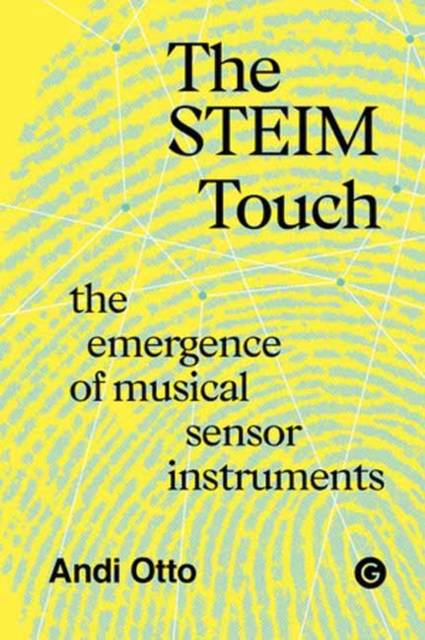
The story of STEIM and the first sensor instruments in digital music. The STEIM foundation in Amsterdam was a music studio radically dedicated to the live, physical performance of electronic sound. From 1969 to 2021, the Studio for Electro-Instrumental Music supported artists in building new instruments, insisting on tangible, hands-on engagements with electronic sound. This book provides a comprehensive overview of STEIM's work, drawing on original interviews and extensive primary source research in the archive of its longtime artistic director, Michel Waisvisz (1949-2008). It traces the studio's evolution from its roots in the anarchic, situationist spirit of 1960s Amsterdam to the famous Cracklebox and to a long line of pioneering developments in sensor-based instruments between 1984 and 2000. A primary focus is Waisvisz's landmark instrument The Hands (1984)--the world's first sensor-based gestural controller--and the SensorLab platform it inspired. This emerging expertise fuelled an international artist-in-residence programme, attracting figures like Jon Rose, Nicolas Collins or Laetitia Sonami among many others and fostering a global wave of experimental instrument design. The common thread through this history is a paradigm called Touch, which championed musicians' embodied presence over automation and predefined control. By documenting the pursuits of immediacy within highly mediated technologies, The STEIM Touch offers a crucial historical lens for today's ongoing negotiations between artificiality and physicality in music creation.
Specificaties
Betrokkenen
- Auteur(s):
- Uitgeverij:
Inhoud
- Aantal bladzijden:
- 256
- Taal:
- Engels
- Reeks:
Eigenschappen
- Productcode (EAN):
- 9781915983459
- Verschijningsdatum:
- 26/05/2026
- Uitvoering:
- Hardcover
- Formaat:
- Genaaid
- Afmetingen:
- 152 mm x 229 mm
- Gewicht:
- 566 g


Alleen bij Standaard Boekhandel
+ 100 punten op je klantenkaart van Standaard Boekhandel

Beoordelingen
We publiceren alleen reviews die voldoen aan de voorwaarden voor reviews. Bekijk onze voorwaarden voor reviews.