


- Afhalen na 1 uur in een winkel met voorraad
- Gratis thuislevering in België vanaf € 30
- Ruim aanbod met 7 miljoen producten
- Afhalen na 1 uur in een winkel met voorraad
- Gratis thuislevering in België vanaf € 30
- Ruim aanbod met 7 miljoen producten





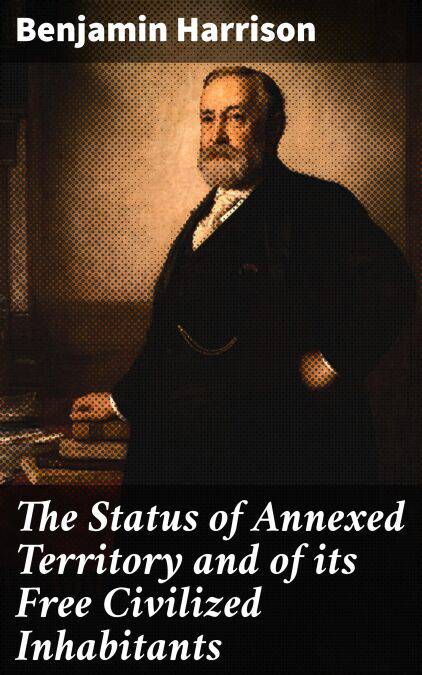
The Status of Annexed Territory and of its Free Civilized Inhabitants E-BOOK
Unraveling the Legal Quagmire of Annexation and Free Inhabitants
Benjamin Harrison
E-book | Engels
€ 1,99
+ 1 punten
Omschrijving
In "The Status of Annexed Territory and of its Free Civilized Inhabitants," Benjamin Harrison delves into the complex legal and moral implications of U.S. territorial expansion during the late 19th century. The text adopts a scholarly tone, employing detailed legal analyses interspersed with historical context that illuminate the fine line between sovereignty and colonialism. Harrison meticulously examines the status of annexed territories, articulating the rights and responsibilities of both the U.S. government and the inhabitants of these areas, thereby positioning the work at the intersection of legal scholarship and ethical discourse in American history. Benjamin Harrison, the 23rd President of the United States, was deeply engaged with the issues of national expansion and foreign policy. His firsthand experiences with territorial discussions and legislative debates greatly informed his perspectives on the rights of the people living in annexed lands. As a lawyer and statesman, Harrison'Äôs commitment to the principles of democracy and governance shaped his approach to these pressing legal matters, making him an authoritative voice on the subject. This book is essential for scholars of American history and legal studies, as it provides an intricate understanding of the implications of annexation on civil rights and governance. Readers will gain invaluable insights into the ethical considerations that surround territorial expansion, making Harrison's work a critical resource in discussions about sovereignty and human rights.
Specificaties
Betrokkenen
- Auteur(s):
- Uitgeverij:
Inhoud
- Aantal bladzijden:
- 23
- Taal:
- Engels
Eigenschappen
- Productcode (EAN):
- 4064066425289
- Verschijningsdatum:
- 7/12/2020
- Uitvoering:
- E-book
- Beveiligd met:
- Digital watermarking
- Formaat:
- ePub



Alleen bij Standaard Boekhandel
+ 1 punten op je klantenkaart van Standaard Boekhandel
Cadeau

AANGERADEN


Beoordelingen
We publiceren alleen reviews die voldoen aan de voorwaarden voor reviews. Bekijk onze voorwaarden voor reviews.