


- Afhalen na 1 uur in een winkel met voorraad
- Gratis thuislevering in België vanaf € 30
- Ruim aanbod met 7 miljoen producten
- Afhalen na 1 uur in een winkel met voorraad
- Gratis thuislevering in België vanaf € 30
- Ruim aanbod met 7 miljoen producten




Omschrijving
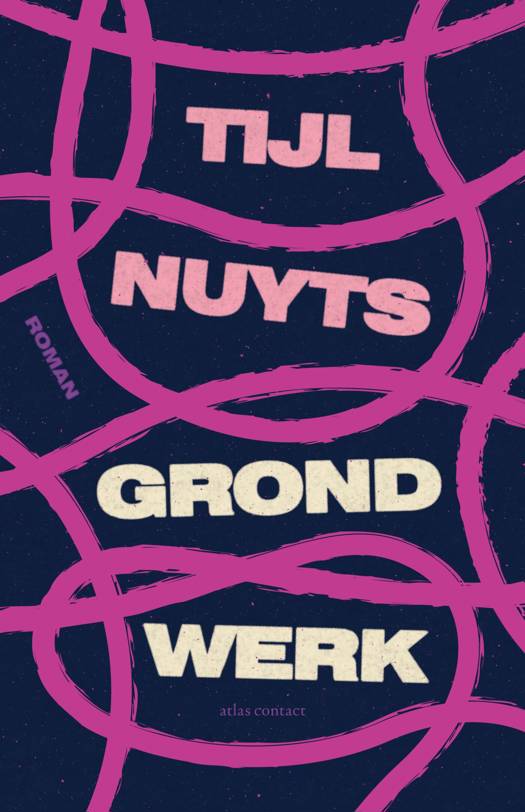
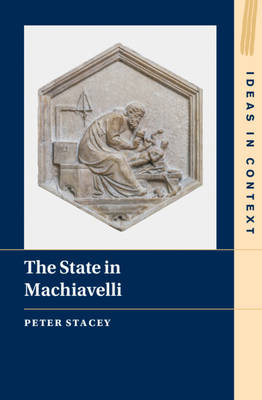
While historical scholarship has often downplayed the importance of Machiavelli's theory of the state, this study reconstructs the question of lo stato as the conceptual crux of his political philosophy. Peter Stacey offers a detailed reconstruction of the historical context from which Machiavelli's theory emerges, demonstrating how the intellectual and ideological contours of Machiavelli's thinking, as well as much of its content, were decisively shaped by conceptual apparatuses drawn from Roman philosophical, rhetorical and aesthetic discourse. Stacey further provides a sustained analysis of the development of Machiavelli's picture of the state from his earliest writings onwards, underlining the extent to which the Florentine draws deeply upon several key aspects of this intellectual inheritance in hitherto unacknowledged ways, while calling into question some of its cherished assumptions about the character of collective political entities. As Machiavelli's thinking unfolds across The Prince and the Discourses, Stacey illustrates how a strikingly novel conception of the body politic marks him out as the author of a distinctively new philosophy of the state.
Specificaties
Betrokkenen
- Auteur(s):
- Uitgeverij:
Inhoud
- Aantal bladzijden:
- 512
- Taal:
- Engels
- Reeks:
Eigenschappen
- Productcode (EAN):
- 9781009630320
- Verschijningsdatum:
- 19/02/2026
- Uitvoering:
- Hardcover
- Formaat:
- Genaaid
- Afmetingen:
- 152 mm x 229 mm
- Gewicht:
- 848 g


Alleen bij Standaard Boekhandel
+ 475 punten op je klantenkaart van Standaard Boekhandel
Cadeau

AANGERADEN


Beoordelingen
We publiceren alleen reviews die voldoen aan de voorwaarden voor reviews. Bekijk onze voorwaarden voor reviews.