


- Afhalen na 1 uur in een winkel met voorraad
- Gratis thuislevering in België vanaf € 30
- Ruim aanbod met 7 miljoen producten
- Afhalen na 1 uur in een winkel met voorraad
- Gratis thuislevering in België vanaf € 30
- Ruim aanbod met 7 miljoen producten





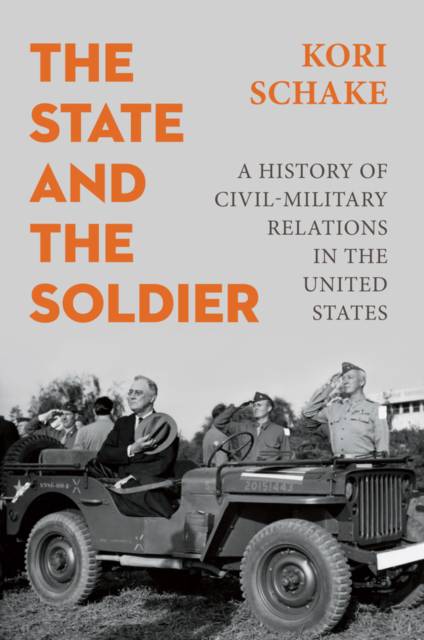
The State and the Soldier
A History of Civil-Military Relations in the United States
Kori Schake
Hardcover | Engels
€ 34,95
+ 69 punten
Omschrijving
America's Founding Fathers feared that a standing army would be a permanent political danger, yet the U.S. military has in the 250 years since become a bulwark of democracy. Kori Schake explains why in this compelling history of civil-military relations from independence to the challenges of the present.
The book begins with General Washington's vital foundational example of subordination to elected leaders during the Revolutionary War. Schake recounts numerous instances in the following century when charismatic military leaders tried to challenge political leaders and explains the emergence of restrictions on uses of the military for domestic law enforcement. She explores the crucial struggle between President Andrew Johnson and Congress after Lincoln's assassination, when Ulysses Grant had to choose whether to obey the Commander-in-Chief or the law - and chose to obey the law. And she shows how the professionalization of the military in the twentieth century inculcated norms of civilian control.
The U.S. military is historically anomalous for maintaining its strength and popularity while never becoming a threat to democracy. Schake concludes by asking if its admirable record can be sustained when the public is pulling the military into the political divisions of our time.
The book begins with General Washington's vital foundational example of subordination to elected leaders during the Revolutionary War. Schake recounts numerous instances in the following century when charismatic military leaders tried to challenge political leaders and explains the emergence of restrictions on uses of the military for domestic law enforcement. She explores the crucial struggle between President Andrew Johnson and Congress after Lincoln's assassination, when Ulysses Grant had to choose whether to obey the Commander-in-Chief or the law - and chose to obey the law. And she shows how the professionalization of the military in the twentieth century inculcated norms of civilian control.
The U.S. military is historically anomalous for maintaining its strength and popularity while never becoming a threat to democracy. Schake concludes by asking if its admirable record can be sustained when the public is pulling the military into the political divisions of our time.
Specificaties
Betrokkenen
- Auteur(s):
- Uitgeverij:
Inhoud
- Aantal bladzijden:
- 253
- Taal:
- Engels
Eigenschappen
- Productcode (EAN):
- 9781509570539
- Verschijningsdatum:
- 13/10/2025
- Uitvoering:
- Hardcover
- Formaat:
- Genaaid
- Afmetingen:
- 187 mm x 240 mm
- Gewicht:
- 538 g


Alleen bij Standaard Boekhandel
+ 69 punten op je klantenkaart van Standaard Boekhandel
Cadeau

AANGERADEN


Beoordelingen
We publiceren alleen reviews die voldoen aan de voorwaarden voor reviews. Bekijk onze voorwaarden voor reviews.