


- Afhalen na 1 uur in een winkel met voorraad
- Gratis thuislevering in België vanaf € 30
- Ruim aanbod met 7 miljoen producten
- Afhalen na 1 uur in een winkel met voorraad
- Gratis thuislevering in België vanaf € 30
- Ruim aanbod met 7 miljoen producten





€ 59,45
+ 118 punten
Omschrijving
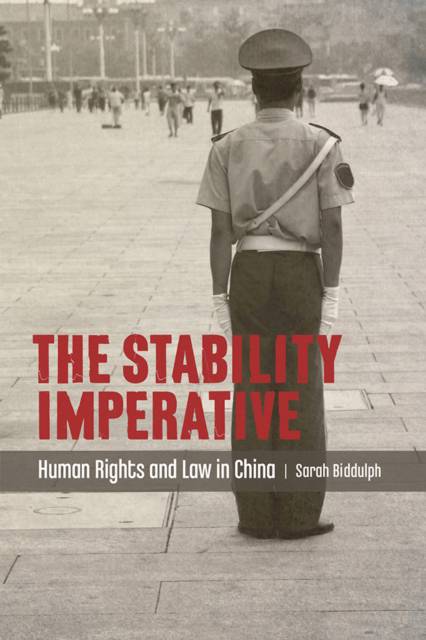
Growing inequality within Chinese society has led to public indignation, petitions to Party and state agencies, strikes, and large-scale protests. This book examines the intersection between the Chinese government's preoccupation with the "protection of social stability" (weiwen), and its legal commitments to protect human rights. Drawing on case studies, Sarah Biddulph examines China's response to labour unrest, medical disputes, and public anger over forced housing demolition. The result is a detailed analysis of the multiple and shifting ways stability imperatives impinge on the legal definition and implementation of human rights in China.
Specificaties
Betrokkenen
- Auteur(s):
- Uitgeverij:
Inhoud
- Aantal bladzijden:
- 332
- Taal:
- Engels
- Reeks:
Eigenschappen
- Productcode (EAN):
- 9780774828819
- Verschijningsdatum:
- 15/01/2016
- Uitvoering:
- Paperback
- Formaat:
- Trade paperback (VS)
- Afmetingen:
- 152 mm x 226 mm
- Gewicht:
- 480 g



Alleen bij Standaard Boekhandel
+ 118 punten op je klantenkaart van Standaard Boekhandel
Cadeau

AANGERADEN


Beoordelingen
We publiceren alleen reviews die voldoen aan de voorwaarden voor reviews. Bekijk onze voorwaarden voor reviews.