


- Afhalen na 1 uur in een winkel met voorraad
- Gratis thuislevering in België vanaf € 30
- Ruim aanbod met 7 miljoen producten
- Afhalen na 1 uur in een winkel met voorraad
- Gratis thuislevering in België vanaf € 30
- Ruim aanbod met 7 miljoen producten





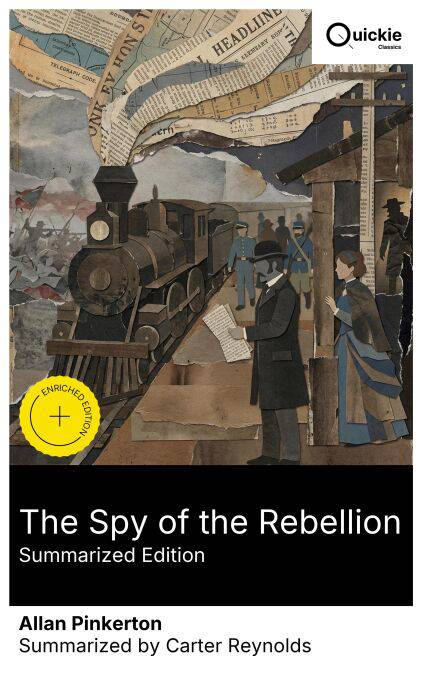
The Spy of the Rebellion (Summarized Edition) E-BOOK
Enriched edition. Union espionage from the Baltimore Plot to the Peninsula Campaign—case files, operatives, and the making of American intelligence.
Allan Pinkerton
E-book | Engels
€ 1,99
+ 1 punten
Eenvoudig bestellen
Veilig betalen


Onmiddellijk geleverd via e-mail
Omschrijving
The Spy of the Rebellion (1883) recounts the Union's secret war, from foiling the 1861 Baltimore Plot against President-elect Lincoln to the Union Intelligence Service's operations during the Peninsula Campaign and beyond. Drawn from case files and dispatches, the book blends documentary detail with Victorian melodrama: episodic chapters, moral asides, and cliffhangers frame portraits of field operatives, notably Timothy Webster and pioneering agent Kate Warne. Situated in the postbellum marketplace of memory and emerging spy literature, Pinkerton's narrative offers a primary window—and a self-crafted myth—into wartime espionage and bureaucratic infighting. A Scottish immigrant and founder of the Pinkerton National Detective Agency, Allan Pinkerton brought abolitionist sympathies and industrial-era discipline to American policing. As McClellan's intelligence chief, he professionalized surveillance and undercover tradecraft. Writing later, he mined agency archives to defend his estimates of Confederate strength, honor fallen operatives, promote his firm, and justify the nascent craft of national intelligence. Recommended for students of Civil War command, intelligence history, and the cultural politics of memory, this volume rewards critical reading. Pair it with modern assessments to correct exaggerations while appreciating its granular vignettes, gendered breakthroughs, and procedural innovations. It remains a seminal, teachable artifact of American espionage.
Quickie Classics summarizes timeless works with precision, preserving the author's voice and keeping the prose clear, fast, and readable—distilled, never diluted. Enriched Edition extras: Introduction · Synopsis · Historical Context · Author Biography · Brief Analysis · 4 Reflection Q&As · Editorial Footnotes.
Quickie Classics summarizes timeless works with precision, preserving the author's voice and keeping the prose clear, fast, and readable—distilled, never diluted. Enriched Edition extras: Introduction · Synopsis · Historical Context · Author Biography · Brief Analysis · 4 Reflection Q&As · Editorial Footnotes.
Specificaties
Betrokkenen
- Auteur(s):
- Uitgeverij:
Inhoud
- Aantal bladzijden:
- 173
- Taal:
- Engels
Eigenschappen
- Productcode (EAN):
- 8596547878506
- Verschijningsdatum:
- 9/01/2026
- Uitvoering:
- E-book
- Beveiligd met:
- Digital watermarking
- Formaat:
- ePub


Alleen bij Standaard Boekhandel
+ 1 punten op je klantenkaart van Standaard Boekhandel
CADEAU

AANGERADEN


Beoordelingen
We publiceren alleen reviews die voldoen aan de voorwaarden voor reviews. Bekijk onze voorwaarden voor reviews.