


- Afhalen na 1 uur in een winkel met voorraad
- Gratis thuislevering in België vanaf € 30
- Ruim aanbod met 7 miljoen producten
- Afhalen na 1 uur in een winkel met voorraad
- Gratis thuislevering in België vanaf € 30
- Ruim aanbod met 7 miljoen producten





€ 130,95
+ 261 punten
Eenvoudig bestellen
Veilig betalen


Gratis thuislevering vanaf € 30 (via bpost)
Gratis levering in je Standaard Boekhandel
Omschrijving
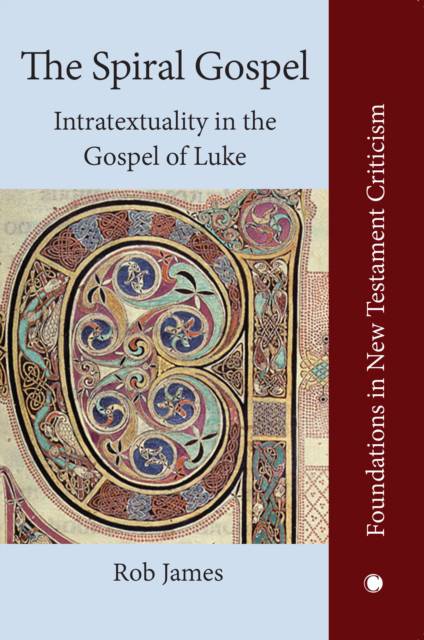
How did the author of the Gospel of Luke intend it to be read? In The Spiral Gospel, Rob James shows that the assumptions many modern readers bring to the text - that it claims to be historically factual, or merely regurgitates existing stories - are not those of antiquity. Building on the central insight that it was written for a community who would have used it as their pre-eminent text, James argues convincingly for a continuous, cyclical reading of Luke's narrative. The evidence for this view, and also its consequences, can be seen in the gospel's intratextuality. Context is given at the end of the gospel that informs the beginning, and there are countless other intratextual elements throughout the text that are most readily noticeable on a second or subsequent reading. This deliberate, creative interweaving on the author's part opens up new levels of appreciation and faith for those who read in the way Luke's first audience received his work.
Specificaties
Betrokkenen
- Auteur(s):
- Uitgeverij:
Inhoud
- Aantal bladzijden:
- 200
- Taal:
- Engels
- Reeks:
Eigenschappen
- Productcode (EAN):
- 9780227178171
- Verschijningsdatum:
- 29/09/2022
- Uitvoering:
- Hardcover
- Formaat:
- Genaaid
- Afmetingen:
- 240 mm x 162 mm
- Gewicht:
- 1986 g


Alleen bij Standaard Boekhandel
+ 261 punten op je klantenkaart van Standaard Boekhandel
CADEAU

AANGERADEN


Beoordelingen
We publiceren alleen reviews die voldoen aan de voorwaarden voor reviews. Bekijk onze voorwaarden voor reviews.