


- Afhalen na 1 uur in een winkel met voorraad
- Gratis thuislevering in België vanaf € 30
- Ruim aanbod met 7 miljoen producten
- Afhalen na 1 uur in een winkel met voorraad
- Gratis thuislevering in België vanaf € 30
- Ruim aanbod met 7 miljoen producten





€ 72,95
+ 145 punten
Uitvoering
Omschrijving
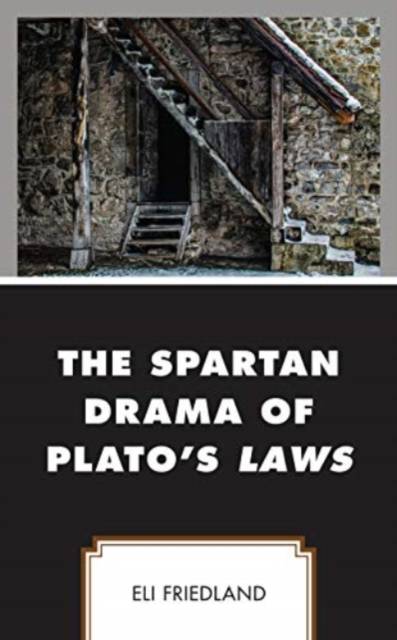
Friedland presents the Laws, Plato's longest dialogue, as a drama that must be interpreted with close and sustained attention to each of its three characters. He argues that Megillos, seen by most commentators as the most obtuse character in the dialogue, is in fact a man of few words but of surprising capacity for reflection. This capacity, and the crisis to which it brings him, is key to understanding the Laws' exploration of human nature, permanently drawn both to what is beyond and beneath it. The political project outlined in the dialogue, with its almost programmatic focus on the mundane, is a genuinely philosophical opportunity to consider the relationship between competing demands for human beings - between divine and animal nature, and also including the always tense but necessary antagonisms and affinities between politics and human sexuality.
Specificaties
Betrokkenen
- Auteur(s):
- Uitgeverij:
Inhoud
- Aantal bladzijden:
- 210
- Taal:
- Engels
- Reeks:
Eigenschappen
- Productcode (EAN):
- 9781793603708
- Verschijningsdatum:
- 8/03/2022
- Uitvoering:
- Paperback
- Formaat:
- Trade paperback (VS)
- Afmetingen:
- 152 mm x 229 mm
- Gewicht:
- 312 g


Alleen bij Standaard Boekhandel
+ 145 punten op je klantenkaart van Standaard Boekhandel
Cadeau

AANGERADEN


Beoordelingen
We publiceren alleen reviews die voldoen aan de voorwaarden voor reviews. Bekijk onze voorwaarden voor reviews.