


- Afhalen na 1 uur in een winkel met voorraad
- Gratis thuislevering in België vanaf € 30
- Ruim aanbod met 7 miljoen producten
- Afhalen na 1 uur in een winkel met voorraad
- Gratis thuislevering in België vanaf € 30
- Ruim aanbod met 7 miljoen producten





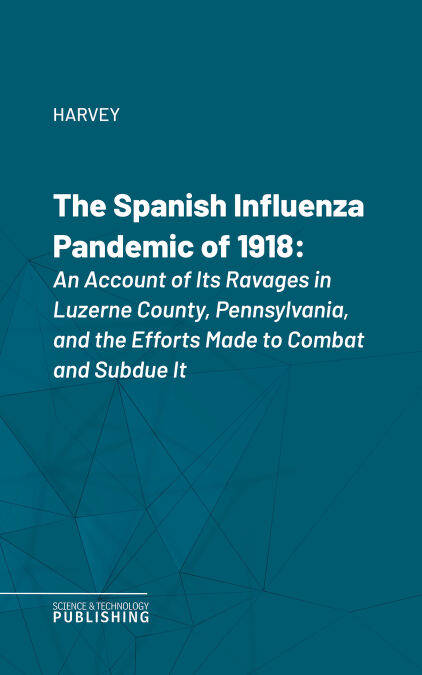
The Spanish Influenza Pandemic of 1918 E-BOOK
An Account of Its Ravages in Luzerne County, Pennsylvania, and the Efforts Made to Combat and Subdue It
Harvey
E-book | Engels
€ 19,99
+ 19 punten
Omschrijving
The Spanish Influenza Pandemic of 1918: An Account of Its Ravages in Luzerne County, Pennsylvania, and the Efforts Made to Combat and Subdue It is a detailed historical chronicle that delves into one of the deadliest pandemics in human history, focusing specifically on its impact in Luzerne County, Pennsylvania. Drawing from firsthand accounts, official records, and contemporary reports, the book paints a vivid picture of the devastation wrought by the Spanish flu as it swept through communities, overwhelming hospitals, and leaving families and neighborhoods in mourning. The narrative explores the rapid spread of the disease, the symptoms and suffering endured by its victims, and the staggering death toll that left a lasting mark on the region. Beyond documenting the tragedy, the book also highlights the resilience and determination of local citizens, medical professionals, and public officials who mobilized to confront the crisis. It details the establishment of emergency hospitals, the implementation of quarantine measures, and the tireless work of doctors, nurses, and volunteers who risked their own health to care for the sick. The account also examines the challenges faced by authorities in disseminating accurate information, combating misinformation, and enforcing public health directives in the face of fear and uncertainty. Through its meticulous research and compelling storytelling, The Spanish Influenza Pandemic of 1918 offers readers a window into the social, medical, and emotional landscape of Luzerne County during a time of unprecedented upheaval. It serves as both a tribute to those who suffered and persevered, and a valuable resource for understanding the complexities of epidemic response in a pre-modern era. This book is an essential read for anyone interested in medical history, public health, or the enduring human spirit in the face of catastrophe.
Specificaties
Betrokkenen
- Auteur(s):
- Uitgeverij:
Inhoud
- Taal:
- Engels
Eigenschappen
- Productcode (EAN):
- 9782528119112
- Verschijningsdatum:
- 31/08/2025
- Uitvoering:
- E-book
- Formaat:
- ePub


Alleen bij Standaard Boekhandel
+ 19 punten op je klantenkaart van Standaard Boekhandel
Cadeau

AANGERADEN


Beoordelingen
We publiceren alleen reviews die voldoen aan de voorwaarden voor reviews. Bekijk onze voorwaarden voor reviews.