


- Afhalen na 1 uur in een winkel met voorraad
- Gratis thuislevering in België vanaf € 30
- Ruim aanbod met 7 miljoen producten
- Afhalen na 1 uur in een winkel met voorraad
- Gratis thuislevering in België vanaf € 30
- Ruim aanbod met 7 miljoen producten





€ 4,49
+ 4 punten
Omschrijving
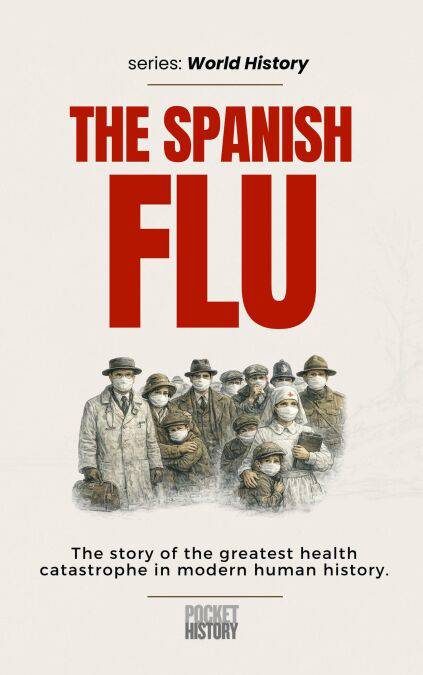
The Spanish Flu of 1918 was one of the deadliest pandemics in human history, claiming an estimated 50 million lives worldwide and forever changing the way societies respond to infectious diseases. The Spanish Flu explores the origins, rapid global spread, and devastating consequences of the influenza pandemic that struck during the final months of World War I.
Through historical records, medical insights, and personal stories, this book reveals how the virus moved across continents with astonishing speed, overwhelming hospitals and communities. It examines the social, political, and medical challenges faced by governments and healthcare professionals who struggled to contain an invisible and poorly understood enemy.
Readers will discover how wartime conditions, crowded cities, and limited medical knowledge contributed to the catastrophic scale of the outbreak. The book also explores the public health measures used at the time—quarantines, mask mandates, and social distancing—and how they shaped modern responses to pandemics.
More than a historical account, this book highlights the lessons the world learned from the Spanish Flu and how those lessons continue to influence modern medicine and global health preparedness. Essential for readers interested in history, medicine, and pandemics, this work offers a powerful look at one of the most significant health crises the world has ever faced.
Specificaties
Betrokkenen
- Auteur(s):
- Uitgeverij:
Inhoud
- Taal:
- Engels
- Reeks:
Eigenschappen
- Productcode (EAN):
- 9798233247361
- Verschijningsdatum:
- 11/03/2026
- Uitvoering:
- E-book
- Formaat:
- ePub



Alleen bij Standaard Boekhandel
+ 4 punten op je klantenkaart van Standaard Boekhandel
Cadeau

AANGERADEN


Beoordelingen
We publiceren alleen reviews die voldoen aan de voorwaarden voor reviews. Bekijk onze voorwaarden voor reviews.