


- Afhalen na 1 uur in een winkel met voorraad
- Gratis thuislevering in België vanaf € 30
- Ruim aanbod met 7 miljoen producten
- Afhalen na 1 uur in een winkel met voorraad
- Gratis thuislevering in België vanaf € 30
- Ruim aanbod met 7 miljoen producten





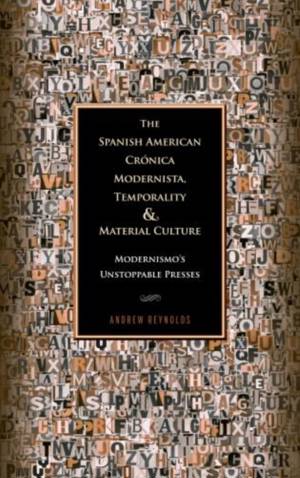
The Spanish American Crónica Modernista, Temporality and Material Culture
Modernismo's Unstoppable Presses
Andrew Reynolds
€ 198,45
+ 396 punten
Omschrijving
This study explores how Spanish American modernista writers incorporated journalistic formalities and industry models through the crónica genre to advance their literary preoccupations. Through a variety of modernista writers, including José Martí, Amado Nervo, Manuel Gutiérrez Nájera and Rubén Darío, Reynolds argues that extra-textual elements--such as temporality, the material formats of the newspaper and book, and editorial influence--animate the modernista movement's literary ambitions and aesthetic ideology. Thus, instead of being stripped of an esteemed place in the literary sphere due to participation in the market-based newspaper industry, journalism actually brought modernismo closer to the writers' desired artistic autonomy. Reynolds uncovers an original philosophical and sociological dimension of the literary forms that govern modernista studies, situating literary journalism of the movement within historical, economic and temporal contexts. Furthermore, he demonstrates that journalism of the movement was eventually consecrated in book form, revealing modernista intentionality for their mass-produced, seemingly utilitarian journalistic articles. The Spanish American Crónica Modernista, Temporality, and Material Culture thereby enables a better understanding of how the material textuality of the crónica impacts its interpretation and readership.
Specificaties
Betrokkenen
- Auteur(s):
- Uitgeverij:
Inhoud
- Aantal bladzijden:
- 200
- Taal:
- Engels
- Reeks:
Eigenschappen
- Productcode (EAN):
- 9781611484687
- Verschijningsdatum:
- 18/10/2012
- Uitvoering:
- Hardcover
- Formaat:
- Genaaid
- Afmetingen:
- 155 mm x 231 mm
- Gewicht:
- 458 g


Alleen bij Standaard Boekhandel
+ 396 punten op je klantenkaart van Standaard Boekhandel
Wedstrijd


Beoordelingen
We publiceren alleen reviews die voldoen aan de voorwaarden voor reviews. Bekijk onze voorwaarden voor reviews.