


- Afhalen na 1 uur in een winkel met voorraad
- Gratis thuislevering in België vanaf € 30
- Ruim aanbod met 7 miljoen producten
- Afhalen na 1 uur in een winkel met voorraad
- Gratis thuislevering in België vanaf € 30
- Ruim aanbod met 7 miljoen producten





€ 53,45
+ 106 punten
Eenvoudig bestellen
Veilig betalen


Gratis thuislevering vanaf € 30 (via bpost)
Gratis levering in je Standaard Boekhandel
Omschrijving
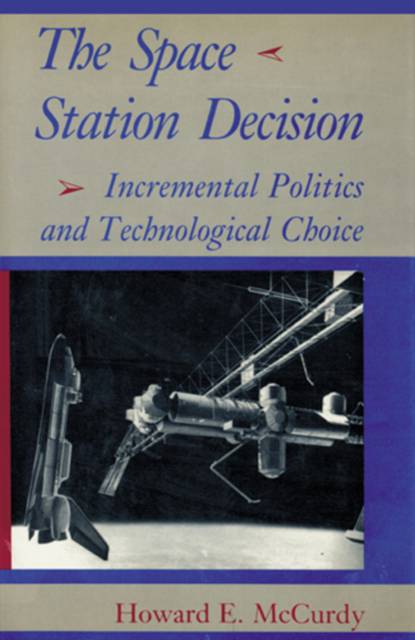
Although building a space station has been an extraordinary challenge for America's scientists and engineers, the securing and sustaining of presidential approval, congressional support, and long-term funding for the project was an enormous task for bureaucrats. The Space Station Decision examines the history of this controversial initiative and illustrates how bureaucracy shapes public policy. Using primary documents and interviews, Howard E. McCurdy describes the events that led up to the 1984 decision to build a permanently occupied, international space station in low Earth orbit. As he follows the trail of the space station proposal through the labyrinth of White House policy review, McCurdy explains the evolution of the presidential budget review process, the breakup of the cabinet system, the proliferation of subcabinets and Executive Office interagency, the involvement of White House staff in framing issues for presidential review, and the role of bureaucracy in advancing administration legislation on Capitol Hill. Comparing the space station decision to earlier decisions to go to the moon and to build the space shuttle, McCurdy shows how public officials responsible for long-term science and technology policy maneuvered in a political system that demanded short-term flexibility.
Specificaties
Betrokkenen
- Auteur(s):
- Uitgeverij:
Inhoud
- Aantal bladzijden:
- 290
- Taal:
- Engels
- Reeks:
Eigenschappen
- Productcode (EAN):
- 9780801887499
- Verschijningsdatum:
- 1/10/2007
- Uitvoering:
- Paperback
- Formaat:
- Trade paperback (VS)
- Afmetingen:
- 152 mm x 229 mm
- Gewicht:
- 462 g



Alleen bij Standaard Boekhandel
+ 106 punten op je klantenkaart van Standaard Boekhandel
CADEAU

AANGERADEN


Beoordelingen
We publiceren alleen reviews die voldoen aan de voorwaarden voor reviews. Bekijk onze voorwaarden voor reviews.