


- Afhalen na 1 uur in een winkel met voorraad
- Gratis thuislevering in België vanaf € 30
- Ruim aanbod met 7 miljoen producten
- Afhalen na 1 uur in een winkel met voorraad
- Gratis thuislevering in België vanaf € 30
- Ruim aanbod met 7 miljoen producten





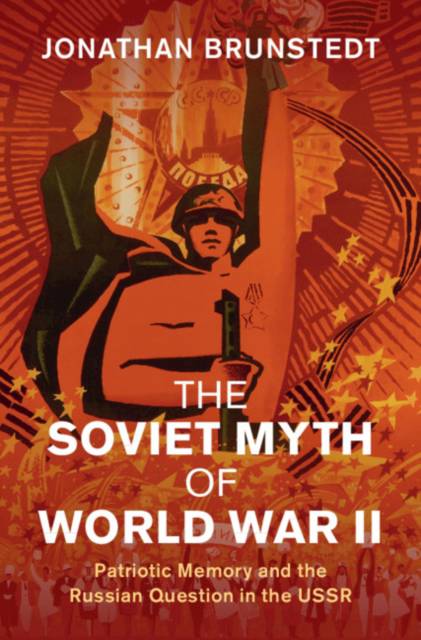
The Soviet Myth of World War II
Patriotic Memory and the Russian Question in the USSR
Jonathan Brunstedt
€ 72,45
+ 144 punten
Eenvoudig bestellen
Veilig betalen


Gratis thuislevering vanaf € 30 (via bpost)
Gratis levering in je Standaard Boekhandel
Omschrijving
How did a socialist society, ostensibly committed to Marxist ideals of internationalism and global class struggle, reconcile itself to notions of patriotism, homeland, Russian ethnocentrism, and the glorification of war? In this provocative new history, Jonathan Brunstedt pursues this question through the lens of the myth and remembrance of victory in World War II - arguably the central defining event of the Soviet epoch. The book shows that while the experience and legacy of the conflict did much to reinforce a sense of Russian primacy and Russian-dominated ethnic hierarchy, the story of the war enabled an alternative, supra-ethnic source of belonging, which subsumed Russian and non-Russian loyalties alike to the Soviet whole. The tension and competition between Russocentric and 'internationalist' conceptions of victory, which burst into the open during the late 1980s, reflected a wider struggle over the nature of patriotic identity in a multiethnic society that continues to reverberate in the post-Soviet space. The book sheds new light on long-standing questions linked to the politics of remembrance and provides a crucial historical context for the patriotic revival of the war's memory in Russia today.
Specificaties
Betrokkenen
- Auteur(s):
- Uitgeverij:
Inhoud
- Aantal bladzijden:
- 320
- Taal:
- Engels
- Reeks:
Eigenschappen
- Productcode (EAN):
- 9781108498753
- Verschijningsdatum:
- 15/07/2021
- Uitvoering:
- Hardcover
- Formaat:
- Genaaid
- Afmetingen:
- 203 mm x 234 mm
- Gewicht:
- 635 g



Alleen bij Standaard Boekhandel
+ 144 punten op je klantenkaart van Standaard Boekhandel
CADEAU

AANGERADEN


Beoordelingen
We publiceren alleen reviews die voldoen aan de voorwaarden voor reviews. Bekijk onze voorwaarden voor reviews.