


- Afhalen na 1 uur in een winkel met voorraad
- Gratis thuislevering in België vanaf € 30
- Ruim aanbod met 7 miljoen producten
- Afhalen na 1 uur in een winkel met voorraad
- Gratis thuislevering in België vanaf € 30
- Ruim aanbod met 7 miljoen producten





€ 186,95
+ 373 punten
Omschrijving
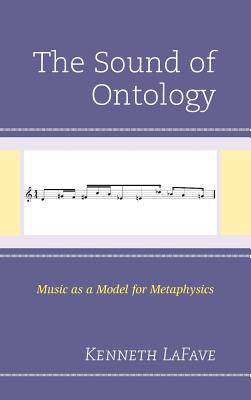
The Sound of Ontology: Music as a Model for Metaphysics explores connections between Western art music in the late 19th and early 20th centuries, and the ideas that dominated philosophy leading up to and during that period. In the process of establishing John Cage as Richard Wagner's heir via Arnold Schoenberg, the author discovers that the old metaphysics of representation is still in charge of how we think about music and about experience in general. Instead of settling for the positivist definition of music as mere sound framed by time, LaFave provides a phenomenology of music that reveals pitch as the ontological counterpart to frequency, and music as a vehicle for understanding how, as Heidegger observed, the Being of "things of value" are invariably grounded in the Being of "things of nature." Numerous musical examples and a poem by Wallace Stevens illustrate LaFave's case that hierarchy is intrinsic to this understanding. Alfred North Whitehead's process philosophy is brought to bear alongside Heidegger's phenomenological ontology to show that not only music, but reality itself, depends on a play of interlocking hierarchies to effect the nature-value connection, making aesthetics first philosophy.
Specificaties
Betrokkenen
- Auteur(s):
- Uitgeverij:
Inhoud
- Aantal bladzijden:
- 140
- Taal:
- Engels
Eigenschappen
- Productcode (EAN):
- 9781498551861
- Verschijningsdatum:
- 15/11/2017
- Uitvoering:
- Hardcover
- Formaat:
- Genaaid
- Afmetingen:
- 152 mm x 231 mm
- Gewicht:
- 362 g


Alleen bij Standaard Boekhandel
+ 373 punten op je klantenkaart van Standaard Boekhandel
Cadeau

AANGERADEN


Beoordelingen
We publiceren alleen reviews die voldoen aan de voorwaarden voor reviews. Bekijk onze voorwaarden voor reviews.