


- Afhalen na 1 uur in een winkel met voorraad
- Gratis thuislevering in België vanaf € 30
- Ruim aanbod met 7 miljoen producten
- Afhalen na 1 uur in een winkel met voorraad
- Gratis thuislevering in België vanaf € 30
- Ruim aanbod met 7 miljoen producten





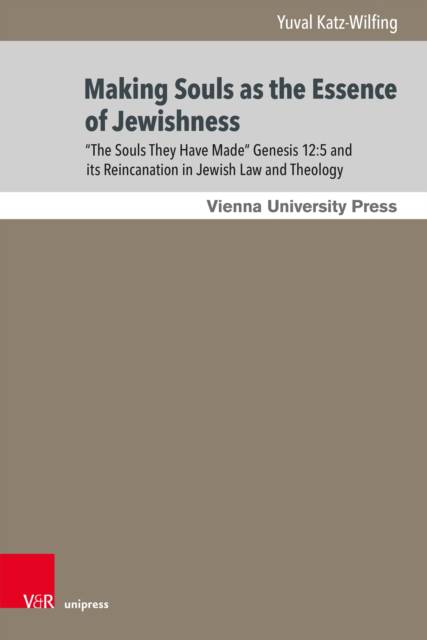
"The Souls They Had Made ...": A Journey Through Jewish Becoming
Genesis 12:5 in Jewish Law and Theology
Yuval Katz-Wilfing
€ 44,45
+ 88 punten
Omschrijving
The reception history of Genesis 12:5 within the rabbinical tradition is long and winding; dealing with core issues of Jewish identity and the essence of Jewishness. Yuval Katz-Wilfing attempts to follow this path, understanding the context of the steps taken in the understanding and use of Genesis 12:5 and their trajectory. His work touches upon many epochs: starting with the origin in both the biblical context and the context of the ancient near east, continuing with the reception in second temple time and early Midrashim, going on with the readings in Midrash and Talmud and reception in Halacha and geonitic Midrash, exegesis, shu"t and theological writing of the middle ages and lastly kabbalah literature and Zohar. The book employs Critical Analysis of source material in its historical context as well as, thematically inter-contextual methods.
Specificaties
Betrokkenen
- Auteur(s):
- Uitgeverij:
Inhoud
- Taal:
- Engels
- Reeks:
- Reeksnummer:
- nr. 22
Eigenschappen
- Productcode (EAN):
- 9783847118640
- Verschijningsdatum:
- 15/06/2026
- Uitvoering:
- Hardcover


Alleen bij Standaard Boekhandel
+ 88 punten op je klantenkaart van Standaard Boekhandel

Beoordelingen
We publiceren alleen reviews die voldoen aan de voorwaarden voor reviews. Bekijk onze voorwaarden voor reviews.