


- Afhalen na 1 uur in een winkel met voorraad
- Gratis thuislevering in België vanaf € 30
- Ruim aanbod met 7 miljoen producten
- Afhalen na 1 uur in een winkel met voorraad
- Gratis thuislevering in België vanaf € 30
- Ruim aanbod met 7 miljoen producten





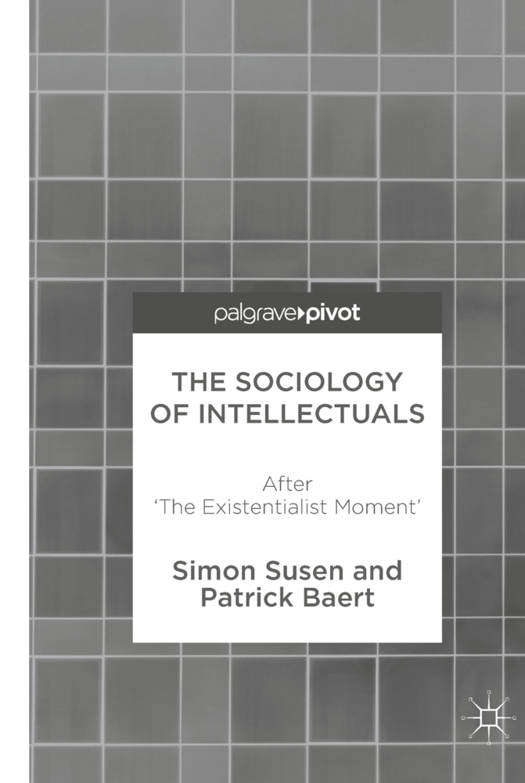
The Sociology of Intellectuals
After 'The Existentialist Moment'
Simon Susen, Patrick Baert
Hardcover | Engels
€ 59,95
+ 119 punten
Uitvoering
Omschrijving
This volume offers an unprecedented account of recent and future developments in the sociology of intellectuals. It presents a critical exchange between two leading contemporary social theorists, Patrick Baert and Simon Susen, advancing debates at the cutting edge of scholarship on the changing role of intellectuals in the increasingly interconnected societies of the twenty-first century. The discussion centres on Baert's most recent contribution to this field of inquiry, The Existentialist Moment: The Rise of Sartre as a Public Intellectual (2015), demonstrating that it has opened up hitherto barely explored avenues for the sociological study of intellectuals. In addition, the authors provide an overview of various alternative approaches that are available for understanding the sociology of intellectuals - such as those of Pierre Bourdieu, Randall Collins, and Neil Gross. In doing so, they grapple with the question of the extent to which intellectuals canplay a constructive role in influencing social and political developments in the modern era. This insightful volume will appeal to students and scholars of the humanities and social sciences, particularly to those interested in social theory and the history of intellectual thought.
Specificaties
Betrokkenen
- Auteur(s):
- Uitgeverij:
Inhoud
- Aantal bladzijden:
- 194
- Taal:
- Engels
Eigenschappen
- Productcode (EAN):
- 9783319612096
- Verschijningsdatum:
- 24/11/2017
- Uitvoering:
- Hardcover
- Formaat:
- Genaaid
- Afmetingen:
- 148 mm x 210 mm
- Gewicht:
- 399 g


Alleen bij Standaard Boekhandel
+ 119 punten op je klantenkaart van Standaard Boekhandel
Cadeau

AANGERADEN


Beoordelingen
We publiceren alleen reviews die voldoen aan de voorwaarden voor reviews. Bekijk onze voorwaarden voor reviews.