


- Afhalen na 1 uur in een winkel met voorraad
- Gratis thuislevering in België vanaf € 30
- Ruim aanbod met 7 miljoen producten
- Afhalen na 1 uur in een winkel met voorraad
- Gratis thuislevering in België vanaf € 30
- Ruim aanbod met 7 miljoen producten





Omschrijving
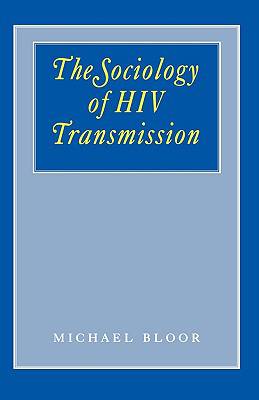
What contribution is sociology making in understanding the social and cultural context in which HIV transmission occurs? In this authoritative study, Michael Bloor provides a lucid overview of the vital contribution sociology has made and is making in the study of HIV transmission. He examines the epidemiology of the HIV epidemic in its different manifestations in the developing world and in the West, looking at sex tourism prostitution, intravenous drug users, hemophiliacs and transfusion recipients, and heterosexual and homosexual transmission. He goes on to look at reports of sociological studies of risk behavior with men who have sex with men, syringe sharing, and risk behavior in heterosexual males and females. These studies are then used to critically examine the different theoretical models of risk behavior and consider their implications for disease prevention. Drawing on the author′s extensive research for illustration, this accessible volume will be essential reading for scholars, researchers, and students in medical sociology, health studies, sexuality, and family studies. It will also prove highly informative to health and social work practitioners working in areas related to AIDS, health promotion, health education, and sex education. "There are many myths floating around concerning the transmission of AIDS with finger pointing at such individuals as gays, drug injectors, black Africans, and others. The media feeds on these myths and as a result education to all individual about AIDS becomes difficult. This book aims to contest those myths by providing an overview or summary statement of our very considerable contemporary knowledge of the sociology of HIV transmission. . . . An excellent book to ponder over and a required book for anyone doing sociological research concerning AIDS. Highly recommended for all academic and medical libraries." --AIDS Book Review Journal
Specificaties
Betrokkenen
- Auteur(s):
- Uitgeverij:
Inhoud
- Aantal bladzijden:
- 176
- Taal:
- Engels
Eigenschappen
- Productcode (EAN):
- 9780803987494
- Verschijningsdatum:
- 13/09/1995
- Uitvoering:
- Hardcover
- Formaat:
- Genaaid
- Afmetingen:
- 140 mm x 216 mm
- Gewicht:
- 367 g


Alleen bij Standaard Boekhandel
+ 705 punten op je klantenkaart van Standaard Boekhandel
Cadeau

AANGERADEN


Beoordelingen
We publiceren alleen reviews die voldoen aan de voorwaarden voor reviews. Bekijk onze voorwaarden voor reviews.