


- Afhalen na 1 uur in een winkel met voorraad
- Gratis thuislevering in België vanaf € 30
- Ruim aanbod met 7 miljoen producten
- Afhalen na 1 uur in een winkel met voorraad
- Gratis thuislevering in België vanaf € 30
- Ruim aanbod met 7 miljoen producten





Omschrijving
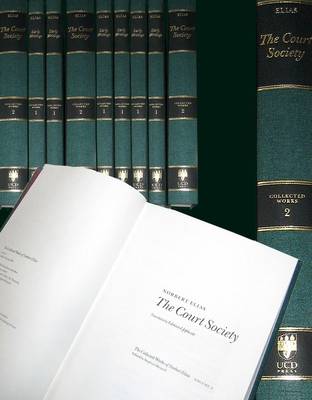
Philosophers and social scientists have for decades - centuries even - tied themselves in knots over the supposed problem of 'individual' versus 'society', and its offshoots such as 'agency' and 'structure'. Elias shows the falsity of problem, which ought to be easily resolved by thinking in terms of processes extending over the generations - though in practice the baleful influence of philosophy leads to its constant resurrection. "The Society of Individuals" consists of three essays, the first written in 1939, the second dating from the 1940s and 1950s, and the third a final reflection composed in 1987 only three years before Elias' death. In each, Elias takes the discussion to a new level, demonstrating that individualisation is an inherent component of the personal socialisation process and of inter-generational civilising processes, exploding the myth of the 'We-less ego', and introducing important conceptual innovations, including 'I-identity' versus 'We-identity' and the 'We-I balance'.
Specificaties
Betrokkenen
- Auteur(s):
- Uitgeverij:
Inhoud
- Aantal bladzijden:
- 344
- Taal:
- Engels
- Reeks:
- Reeksnummer:
- nr. 10
Eigenschappen
- Productcode (EAN):
- 9781906359072
- Verschijningsdatum:
- 12/01/2010
- Uitvoering:
- Hardcover
- Formaat:
- Genaaid
- Afmetingen:
- 165 mm x 239 mm
- Gewicht:
- 566 g


Alleen bij Standaard Boekhandel
+ 198 punten op je klantenkaart van Standaard Boekhandel
AANGERADEN


Beoordelingen
We publiceren alleen reviews die voldoen aan de voorwaarden voor reviews. Bekijk onze voorwaarden voor reviews.