


- Afhalen na 1 uur in een winkel met voorraad
- Gratis thuislevering in België vanaf € 30
- Ruim aanbod met 7 miljoen producten
- Afhalen na 1 uur in een winkel met voorraad
- Gratis thuislevering in België vanaf € 30
- Ruim aanbod met 7 miljoen producten





€ 135,95
+ 271 punten
Eenvoudig bestellen
Veilig betalen


Gratis thuislevering vanaf € 30 (via bpost)
Gratis levering in je Standaard Boekhandel
Omschrijving
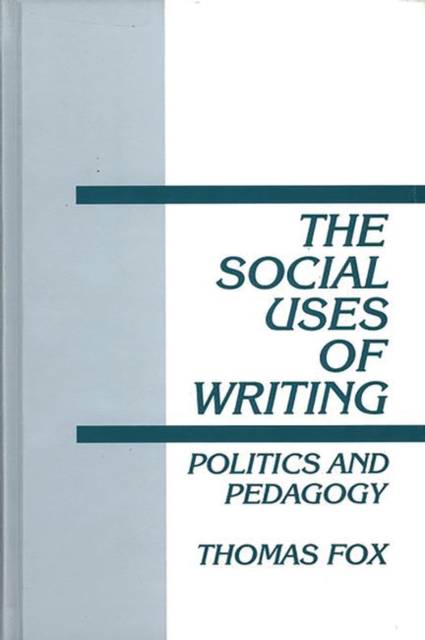
This volume explores how a political and social theory of writing can inform pedagogy, including an analysis of how students' educational histories limit teacher and student roles, and how we might work to enlarge both. Through a critique of ethnography and an exploration of Friere's Pedagogy of the Oppressed, the author develops an interactive theory of teaching writing. In three central chapters, the volume treats gender, class and race issues in the teaching of writing by examining case studies of freshman writers. Within the case studies, the author shows how an interactive pedagogy helps students see how socially-held values, such as beauty, objectivity, upward mobility, and assimilation deeply affect how students write. The case studies give a sense of actuality to the author's ideas. Finally, the author argues that interpretation should replace evaluation as the central activity of writing courses.
Specificaties
Betrokkenen
- Auteur(s):
- Uitgeverij:
Inhoud
- Aantal bladzijden:
- 152
- Taal:
- Engels
Eigenschappen
- Productcode (EAN):
- 9780893916015
- Verschijningsdatum:
- 1/01/1990
- Uitvoering:
- Hardcover
- Formaat:
- Genaaid
- Afmetingen:
- 156 mm x 234 mm
- Gewicht:
- 390 g


Alleen bij Standaard Boekhandel
+ 271 punten op je klantenkaart van Standaard Boekhandel
CADEAU

AANGERADEN


Beoordelingen
We publiceren alleen reviews die voldoen aan de voorwaarden voor reviews. Bekijk onze voorwaarden voor reviews.