


- Afhalen na 1 uur in een winkel met voorraad
- Gratis thuislevering in België vanaf € 30
- Ruim aanbod met 7 miljoen producten
- Afhalen na 1 uur in een winkel met voorraad
- Gratis thuislevering in België vanaf € 30
- Ruim aanbod met 7 miljoen producten





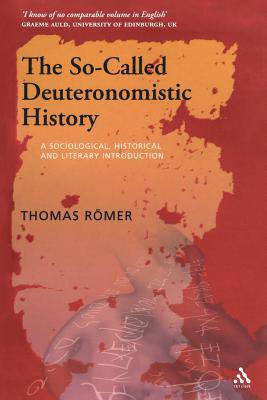
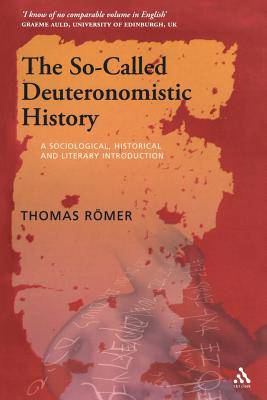
The So-Called Deuteronomistic History
A Sociological, Historical and Literary Introduction
Thomas Romer
Paperback | Engels
€ 31,95
+ 63 punten
Omschrijving
In contrast to the Torah/Pentateuch, the Deuteronomistic History is not recognised by Jewish or Christian tradition as a separate collection and the term itself is an invention of modern biblical scholarship. In this detailed investigation of the Deuteronomistic History, Thomas Romer provides students and scholars of the Old Testament with a complete guide to this important subject. Romer briefly outlines the content of biblical books relevant to the study of Deuteronomistic History - Deuteronomy, Joshua, Judges and Samuel-Kings. He then defines the concept of Deuteronomistic History, surveying the evolution and history of the debate with particular emphasis on the work of Martin Noth. Romer then provides a sociological, historical and literary approach to the books from Deuteronomy to Kings. He examines questions such as: Why and how did Deuteronomism rise as a 'school' under Assyrian hegemony? What role did propaganda play in the composition of these books? What happened on an ideological and sociological level during the Exile and Persian period? Is the so-called Deuteronomistic literature properly understood as crisis literature? And what influence did the Deuteronomistic History have on the identity of the Second Temple period.
Specificaties
Betrokkenen
- Auteur(s):
- Uitgeverij:
Inhoud
- Aantal bladzijden:
- 224
- Taal:
- Engels
Eigenschappen
- Productcode (EAN):
- 9780567032126
- Verschijningsdatum:
- 17/07/2007
- Uitvoering:
- Paperback
- Formaat:
- Trade paperback (VS)
- Afmetingen:
- 159 mm x 231 mm
- Gewicht:
- 340 g


Alleen bij Standaard Boekhandel
+ 63 punten op je klantenkaart van Standaard Boekhandel
Cadeau

AANGERADEN


Beoordelingen
We publiceren alleen reviews die voldoen aan de voorwaarden voor reviews. Bekijk onze voorwaarden voor reviews.