


- Afhalen na 1 uur in een winkel met voorraad
- Gratis thuislevering in België vanaf € 30
- Ruim aanbod met 7 miljoen producten
- Afhalen na 1 uur in een winkel met voorraad
- Gratis thuislevering in België vanaf € 30
- Ruim aanbod met 7 miljoen producten





€ 37,45
Omschrijving
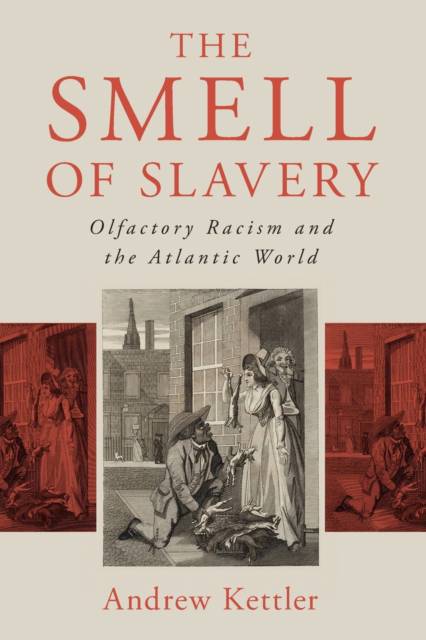
In the Atlantic World, different groups were aromatically classified in opposition to other ethnic, gendered, and class assemblies due to an economic necessity that needed certain bodies to be defined as excremental, which culminated in the creation of a progressive tautology that linked Africa and waste through a conceptual hendiadys born of capitalist licentiousness. The African subject was defined as a scented object, appropriated as filthy to create levels of ownership through discourse that marked African peoples as unable to access spaces of Western modernity. Embodied cultural knowledge was potent enough to alter the biological function of the five senses to create a European olfactory consciousness made to sense the African other as foul. Fascinating, informative, and deeply researched, The Smell of Slavery exposes that concerns with pungency within the Western self were emitted outward upon the freshly dug outhouse of the mass slave grave called the Atlantic World.
Specificaties
Betrokkenen
- Auteur(s):
- Uitgeverij:
Inhoud
- Aantal bladzijden:
- 258
- Taal:
- Engels
Eigenschappen
- Productcode (EAN):
- 9781108796385
- Verschijningsdatum:
- 8/12/2022
- Uitvoering:
- Paperback
- Formaat:
- Trade paperback (VS)
- Afmetingen:
- 152 mm x 229 mm
- Gewicht:
- 381 g


Alleen bij Standaard Boekhandel
Cadeau

AANGERADEN


Beoordelingen
We publiceren alleen reviews die voldoen aan de voorwaarden voor reviews. Bekijk onze voorwaarden voor reviews.