


- Afhalen na 1 uur in een winkel met voorraad
- Gratis thuislevering in België vanaf € 30
- Ruim aanbod met 7 miljoen producten
- Afhalen na 1 uur in een winkel met voorraad
- Gratis thuislevering in België vanaf € 30
- Ruim aanbod met 7 miljoen producten





€ 137,80
+ 275 punten
Omschrijving
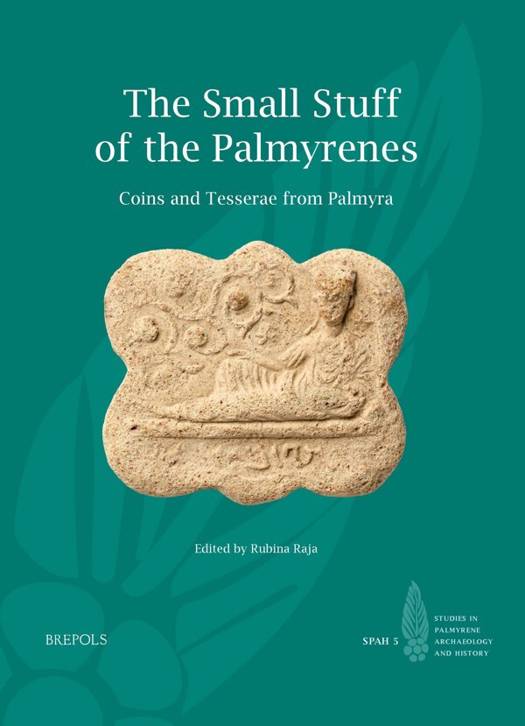
The ancient city of Palmyra is, rightly, famous for its major monumental architecture and its vast corpus of funerary portraiture, most of which dates from the first three centuries ad. This material has long been central to art-historical, archaeological, and epigraphical studies of the region. However, up to now, relatively little attention has been paid to the 'small stuff' from Palmyra - seemingly minor items such as the enigmatic local coinage and the richly iconographic banqueting tesserae found scattered across the city's sanctuaries - which has never been comprehensively studied, but may have had huge importance for the people who lived in Roman Palmyra. This volume, which arises from the research project Circular Economy and Urban Sustainability in Antiquity headed by Prof. Rubina Raja, aims to redress the balance by giving new focus to these small finds with a view to studying them and better understanding their significance in Palmyrene social and religious life. Drawing together experts on Palmyra's archaeology, history, and language, the volume offers insights and reflections into various aspects of the city's coins and tesserae in both their local setting and their wider regional context. In doing so, the contributions gathered here open up new lines of enquiry, and at the same time underline how much we still have to learn from studying even the smallest items.
Specificaties
Betrokkenen
- Auteur(s):
- Uitgeverij:
Inhoud
- Aantal bladzijden:
- 650
- Taal:
- Engels
- Reeks:
- Reeksnummer:
- nr. 5
Eigenschappen
- Productcode (EAN):
- 9782503597607
- Verschijningsdatum:
- 01/03/2022
- Uitvoering:
- Paperback
- Formaat:
- Trade paperback (VS)
- Gewicht:
- 7711 g


Alleen bij Standaard Boekhandel
+ 275 punten op je klantenkaart van Standaard Boekhandel
Cadeau

AANGERADEN


Beoordelingen
We publiceren alleen reviews die voldoen aan de voorwaarden voor reviews. Bekijk onze voorwaarden voor reviews.