

- Afhalen na 1 uur in een winkel met voorraad
- Gratis thuislevering in België vanaf € 30
- Ruim aanbod met 7 miljoen producten
- Afhalen na 1 uur in een winkel met voorraad
- Gratis thuislevering in België vanaf € 30
- Ruim aanbod met 7 miljoen producten





€ 20,95
+ 41 punten
Eenvoudig bestellen
Veilig betalen


Gratis thuislevering vanaf € 30 (via bpost)
Gratis levering in je Standaard Boekhandel
Omschrijving
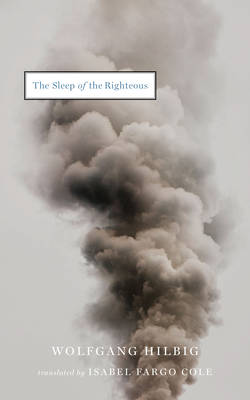
Doppelgängers, a murderer's guilt, pulp noir, fanatical police, and impossible romances--these are the pieces from which German master Wolfgang Hilbig builds a divided nation battling its demons. Delving deep into the psyches of both East and West Germany, The Sleep of the Righteous reveals a powerful, apocalyptic account of the century-defining nation's trajectory from 1945 to 1989. From a youth in a war-scarred industrial town to wearying labor as a factory stoker, surreal confrontations with the Stasi, and, finally, a conflicted escape to the West, Hilbig creates a cipher that is at once himself and so many of his fellow Germans. Evoking the eerie bleakness of films like Tarkovsky's Stalker and The Lives of Others, this titan of German letters combines the Romanticism of Poe with the absurdity of Kafka to create a visionary, somber statement on the ravages of history and the promises of the future.
Specificaties
Betrokkenen
- Auteur(s):
- Vertaler(s):
- Uitgeverij:
Inhoud
- Aantal bladzijden:
- 176
- Taal:
- Engels
Eigenschappen
- Productcode (EAN):
- 9781931883474
- Verschijningsdatum:
- 13/10/2015
- Uitvoering:
- Paperback
- Formaat:
- Trade paperback (VS)
- Afmetingen:
- 124 mm x 201 mm
- Gewicht:
- 226 g


Alleen bij Standaard Boekhandel
+ 41 punten op je klantenkaart van Standaard Boekhandel
CADEAU

AANGERADEN


Beoordelingen
We publiceren alleen reviews die voldoen aan de voorwaarden voor reviews. Bekijk onze voorwaarden voor reviews.