


- Afhalen na 1 uur in een winkel met voorraad
- Gratis thuislevering in België vanaf € 30
- Ruim aanbod met 7 miljoen producten
- Afhalen na 1 uur in een winkel met voorraad
- Gratis thuislevering in België vanaf € 30
- Ruim aanbod met 7 miljoen producten





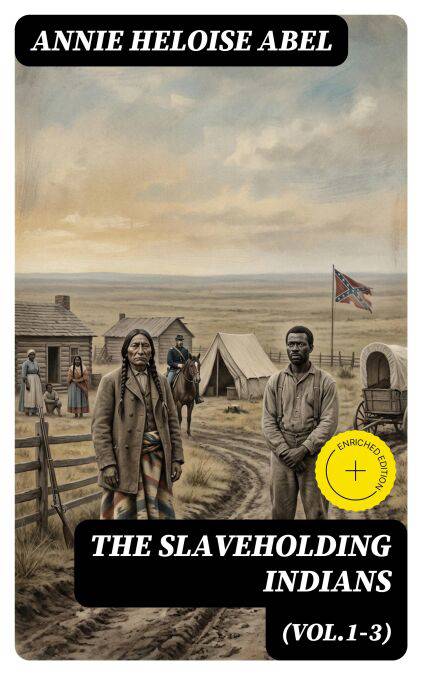
The Slaveholding Indians (Vol.1-3) E-BOOK
Native Americans as Slaveholder as Participants in the Civil War & Under Reconstruction
Annie Heloise Abel
E-book | Engels
€ 0,99
Omschrijving
Annie Heloise Abel's monumental work, "The Slaveholding Indians" (Vol. 1-3), presents an exhaustive examination of the complex relationship between Native American tribes and the institution of slavery in the United States. Written in a narrative style that is both scholarly and engaging, Abel meticulously unveils the historical intricacies surrounding tribes such as the Cherokee, Choctaw, and Creek, who not only participated in slavery but also adapted their social structures to incorporate enslaved African Americans. Her research is anchored in primary sources, providing a nuanced perspective that challenges the oversimplified narratives prevalent in contemporary historiography regarding Indigenous peoples and American slavery. An influential historian, Abel's pioneering work arose from her commitment to amplifying marginalized voices in history. Born in 1871, she became a prominent figure in the early 20th-century academic landscape, at a time when the contributions of women and minority groups were often overlooked. Her deep understanding of American history and culture undoubtedly fueled her investigation, revealing the multidimensional identities of Native tribes that included both sovereignty and complicity in the institution of slavery. This groundbreaking trilogy is a must-read for anyone interested in American history, Indigenous studies, or the history of slavery. Abel's thorough analysis not only enriches our understanding of the complexities of race and culture but also invites readers to reconsider their preconceptions about Native American history. Her work remains an essential contribution to the field, illuminating a crucial chapter in the American historical narrative.
Specificaties
Betrokkenen
- Auteur(s):
- Uitgeverij:
Inhoud
- Aantal bladzijden:
- 794
- Taal:
- Engels
Eigenschappen
- Productcode (EAN):
- 8596547721109
- Verschijningsdatum:
- 12/11/2023
- Uitvoering:
- E-book
- Beveiligd met:
- Digital watermarking
- Formaat:
- ePub


Alleen bij Standaard Boekhandel
Cadeau

AANGERADEN


Beoordelingen
We publiceren alleen reviews die voldoen aan de voorwaarden voor reviews. Bekijk onze voorwaarden voor reviews.