Standaard Boekhandel gebruikt cookies en gelijkaardige technologieën om de website goed te laten werken en je een betere surfervaring te bezorgen.
Hieronder kan je kiezen welke cookies je wilt inschakelen:
Technische en functionele cookies
Deze cookies zijn essentieel om de website goed te laten functioneren, en laten je toe om bijvoorbeeld in te loggen. Je kan deze cookies niet uitschakelen.
Analytische cookies
Deze cookies verzamelen anonieme informatie over het gebruik van onze website. Op die manier kunnen we de website beter afstemmen op de behoeften van de gebruikers.
Marketingcookies
Deze cookies delen je gedrag op onze website met externe partijen, zodat je op externe platformen relevantere advertenties van Standaard Boekhandel te zien krijgt.
Bedankt voor het vertrouwen het afgelopen jaar! Om jou te bedanken bieden we GRATIS verzending (in België) aan op alles gedurende de hele maand januari.
Afhalen na 1 uur in een winkel met voorraad
Gratis thuislevering in België vanaf € 30
Ruim aanbod met 7 miljoen producten
Bedankt voor het vertrouwen het afgelopen jaar! Om jou te bedanken bieden we GRATIS verzending (in België) aan op alles gedurende de hele maand januari.
Je kan maximaal 250 producten tegelijk aan je winkelmandje toevoegen. Verwijdere enkele producten uit je winkelmandje, of splits je bestelling op in meerdere bestellingen.
In januari gratis thuislevering in België (via bpost)
Gratis levering in je Standaard Boekhandel
Omschrijving
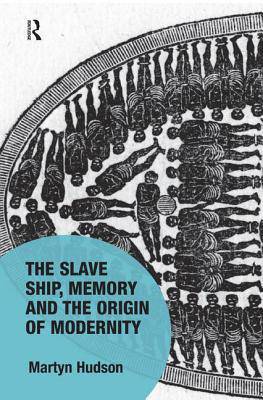
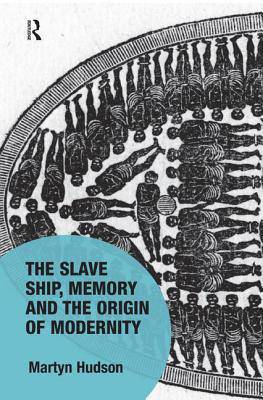
Traces; slave names, the islands and cities into which we are born, our musics and rhythms, our genetic compositions, our stories of our lost utopias and the atrocities inflicted upon our ancestors, by our ancestors, the social structure of our cities, the nature of our diasporas, the scars inflicted by history. These are all the remnants of the middle passage of the slave ship for those in the multiple diasporas of the globe today, whose complex histories were shaped by that journey. Whatever remnants that once existed in the subjectivities and collectivities upon which slavery was inflicted has long passed. But there are hints in material culture, genetic and cultural transmissions and objects that shape certain kinds of narratives - this is how we know ourselves and how we tell our stories. This path-breaking book uncovers the significance of the memory of the slave ship for modernity as well as its role in the cultural production of modernity. By so doing, it examines methods of ethnography for historical events and experiences and offers a sociology and a history from below of the slave experience. The arguments in this book show the way for using memory studies to undermine contemporary slavery.