Standaard Boekhandel gebruikt cookies en gelijkaardige technologieën om de website goed te laten werken en je een betere surfervaring te bezorgen.
Hieronder kan je kiezen welke cookies je wilt inschakelen:
Technische en functionele cookies
Deze cookies zijn essentieel om de website goed te laten functioneren, en laten je toe om bijvoorbeeld in te loggen. Je kan deze cookies niet uitschakelen.
Analytische cookies
Deze cookies verzamelen anonieme informatie over het gebruik van onze website. Op die manier kunnen we de website beter afstemmen op de behoeften van de gebruikers.
Marketingcookies
Deze cookies delen je gedrag op onze website met externe partijen, zodat je op externe platformen relevantere advertenties van Standaard Boekhandel te zien krijgt.
Bedankt voor het vertrouwen het afgelopen jaar! Om jou te bedanken bieden we GRATIS verzending (in België) aan op alles gedurende de hele maand januari.
Afhalen na 1 uur in een winkel met voorraad
In januari gratis thuislevering in België
Ruim aanbod met 7 miljoen producten
Bedankt voor het vertrouwen het afgelopen jaar! Om jou te bedanken bieden we GRATIS verzending (in België) aan op alles gedurende de hele maand januari.
Je kan maximaal 250 producten tegelijk aan je winkelmandje toevoegen. Verwijdere enkele producten uit je winkelmandje, of splits je bestelling op in meerdere bestellingen.
In januari gratis thuislevering in België (via bpost)
Gratis levering in je Standaard Boekhandel
Omschrijving
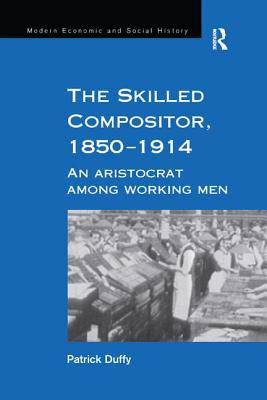
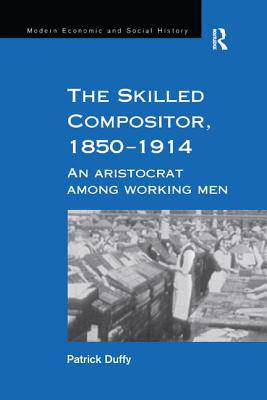
For the first time since its invention over 500 years ago, the print medium is being challenged as the primary means of recording and communicating ideas. Indeed, within the printing industry itself the advent of digital technology has rendered the craft of hand setting metal type obsolete - the days of the skilled compositor are now at an end. Patrick Duffy's work sets out to examine the experiences of the skilled compositor in the period 1850 to 1914. Focusing primarily on the workplace and the workplace institutions, it aims to explore issues of control, co-operation and conflict in order to determine if the compositor did, as many labour historians claim, belong to an aristocracy of labour. Drawing on a wide range of source material from trade society minutes to Parliamentary Papers, the author explores the diversity of experience that compositors had in the workplace and the uneven patterns of change that the trade experienced. The study throws light on some of the issues raised by these changes: what part did ancient craft traditions play in the maintenance of control in the workplace? Why were women excluded from this particular work when they were accepted in most other parts of the trade? To what extent did trade society officials represent the aspirations of the rank and file membership? Starting with an overview of the nature, growth and development of the trade, the book goes on to examine the occupational and social aspects of the compositors' experience, with a chapter devoted to women's role in the printing trade. Finally, the formation, functions and development of relevant trades unions and employers' associations is discussed. This insightful analysis of the experience of the skilled compositor provides a valuable case study for labour historians at the same time furthering our understanding of a somewhat neglected aspect of printing history.