


- Afhalen na 1 uur in een winkel met voorraad
- Gratis thuislevering in België vanaf € 30
- Ruim aanbod met 7 miljoen producten
- Afhalen na 1 uur in een winkel met voorraad
- Gratis thuislevering in België vanaf € 30
- Ruim aanbod met 7 miljoen producten




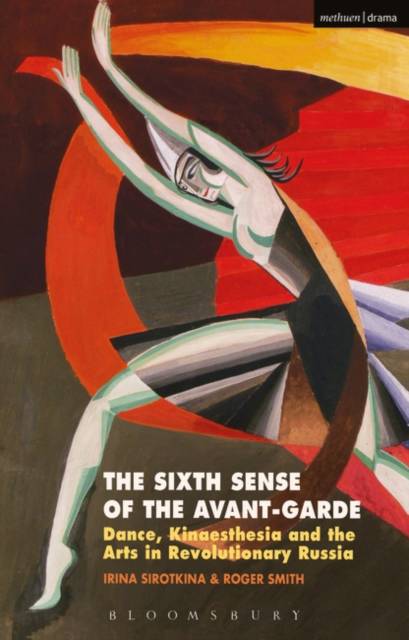
The Sixth Sense of the Avant-Garde
Dance, Kinaesthesia and the Arts in Revolutionary Russia
Irina Sirotkina, Roger Smith
Hardcover | Engels
€ 228,95
+ 457 punten
Uitvoering
Omschrijving
The touch and movement senses have a large place in the modern arts. This is widely discussed and celebrated, often enough as if it represents a breakthrough in a primarily visual age. This book turns to history to show just how significant movement and the sense of movement were to pioneers of modernism at the turn of the 20th century. It makes this history vivid through a picture of movement in the lives of an extraordinary generation of Russian artists, writers, theatre people and dancers bridging the last years of the tsars and the Revolution. Readers will gain a new perspective on the relation between art and life in the period 1890-1920 in great innovators like the poets Mayakovsky and Andrei Bely, the theatre director Meyerhold, the dancer Isadora Duncan and the young men and women in Russia inspired by her lead, and esoteric figures like Gurdjieff.
Movement, and the turn to the body as a source of natural knowledge, was at the centre of idealistic creativity and hopes for a new age, for a 'new man', and this was true both for those who looked forward to the technology of the future and those who looked back to the harmony of Ancient Greece. The book weaves history and analysis into a colourful, thoughtful affirmation of movement in the expressive life.Specificaties
Betrokkenen
- Auteur(s):
- Uitgeverij:
Inhoud
- Aantal bladzijden:
- 232
- Taal:
- Engels
Eigenschappen
- Productcode (EAN):
- 9781350014312
- Verschijningsdatum:
- 20/04/2017
- Uitvoering:
- Hardcover
- Formaat:
- Genaaid
- Afmetingen:
- 140 mm x 216 mm
- Gewicht:
- 412 g


Alleen bij Standaard Boekhandel
+ 457 punten op je klantenkaart van Standaard Boekhandel
AANGERADEN


Beoordelingen
We publiceren alleen reviews die voldoen aan de voorwaarden voor reviews. Bekijk onze voorwaarden voor reviews.