


- Afhalen na 1 uur in een winkel met voorraad
- Gratis thuislevering in België vanaf € 30
- Ruim aanbod met 7 miljoen producten
- Afhalen na 1 uur in een winkel met voorraad
- Gratis thuislevering in België vanaf € 30
- Ruim aanbod met 7 miljoen producten





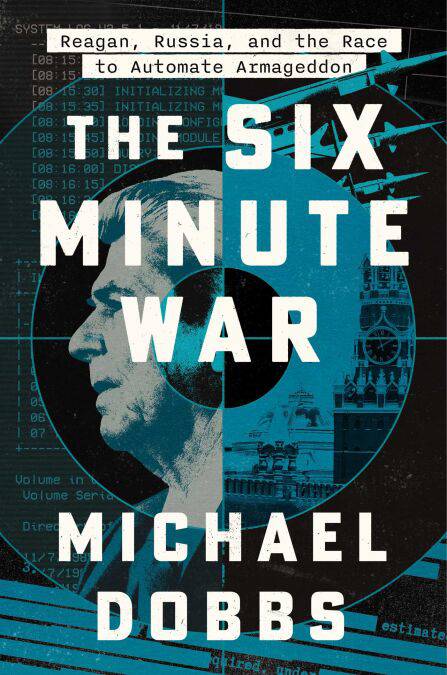
The Six Minute War E-BOOK
Reagan, Russia, and the Race to Automate Armageddon
Michael Dobbs
E-book | Engels
€ 16,76
+ 16 punten
Omschrijving
New York Times bestselling author Michael Dobbs reconstructs the thrilling inside story of the climactic nuclear crisis of the Cold War, revealing the tension between “the human in the loop” and the algorithms that could trigger World War III.
The year is 1983. Ronald Reagan is obsessed by biblical prophecies of Armageddon. A computer revolution is changing everything—from the way we track incoming ballistic missiles to how we share and consume information. And then, over just three months, a series of dramatic events encapsulates the president’s worst nightmares.
In rapid succession, a South Korean airliner is shot down over the Soviet Union after straying off course because of pilot-computer miscommunication. A glitchy Soviet early warning system mistakenly reports an incoming US missile attack. The Kremlin puts its nuclear forces on high alert in response to a routine NATO nuclear release exercise. Reagan deploys missiles capable of destroying the Kremlin in six minutes from their launch positions in West Germany. Soviet nuclear submarines are stationed off Cape Hatteras, ready to obliterate the White House in the same amount of time.
“Six minutes to decide how to respond to a blip on a radar scope and decide whether to unleash Armageddon!” Reagan recalled many years later, in a little-noticed passage in his memoirs. “How could anyone apply reason at a time like that?”
In The Six Minute War, the former Moscow bureau chief for The Washington Post explores the challenge confronting fallible human leaders responding to ever-shrinking warning times of a nuclear attack. A nail-biting narrative of the Cold War crisis that heralded the fall of the Soviet Union, The Six Minute War poses an existential question: can we trust the machines at such life-or-death moments—or will we be destroyed by our own technological hubris?
The year is 1983. Ronald Reagan is obsessed by biblical prophecies of Armageddon. A computer revolution is changing everything—from the way we track incoming ballistic missiles to how we share and consume information. And then, over just three months, a series of dramatic events encapsulates the president’s worst nightmares.
In rapid succession, a South Korean airliner is shot down over the Soviet Union after straying off course because of pilot-computer miscommunication. A glitchy Soviet early warning system mistakenly reports an incoming US missile attack. The Kremlin puts its nuclear forces on high alert in response to a routine NATO nuclear release exercise. Reagan deploys missiles capable of destroying the Kremlin in six minutes from their launch positions in West Germany. Soviet nuclear submarines are stationed off Cape Hatteras, ready to obliterate the White House in the same amount of time.
“Six minutes to decide how to respond to a blip on a radar scope and decide whether to unleash Armageddon!” Reagan recalled many years later, in a little-noticed passage in his memoirs. “How could anyone apply reason at a time like that?”
In The Six Minute War, the former Moscow bureau chief for The Washington Post explores the challenge confronting fallible human leaders responding to ever-shrinking warning times of a nuclear attack. A nail-biting narrative of the Cold War crisis that heralded the fall of the Soviet Union, The Six Minute War poses an existential question: can we trust the machines at such life-or-death moments—or will we be destroyed by our own technological hubris?
Specificaties
Betrokkenen
- Auteur(s):
- Uitgeverij:
Inhoud
- Aantal bladzijden:
- 352
- Taal:
- Engels
Eigenschappen
- Productcode (EAN):
- 9781668052624
- Verschijningsdatum:
- 19/10/2026
- Uitvoering:
- E-book
- Beveiligd met:
- Adobe DRM
- Formaat:
- ePub


Alleen bij Standaard Boekhandel
+ 16 punten op je klantenkaart van Standaard Boekhandel
Cadeau

AANGERADEN


Beoordelingen
We publiceren alleen reviews die voldoen aan de voorwaarden voor reviews. Bekijk onze voorwaarden voor reviews.