


- Afhalen na 1 uur in een winkel met voorraad
- Gratis thuislevering in België vanaf € 30
- Ruim aanbod met 7 miljoen producten
- Afhalen na 1 uur in een winkel met voorraad
- Gratis thuislevering in België vanaf € 30
- Ruim aanbod met 7 miljoen producten





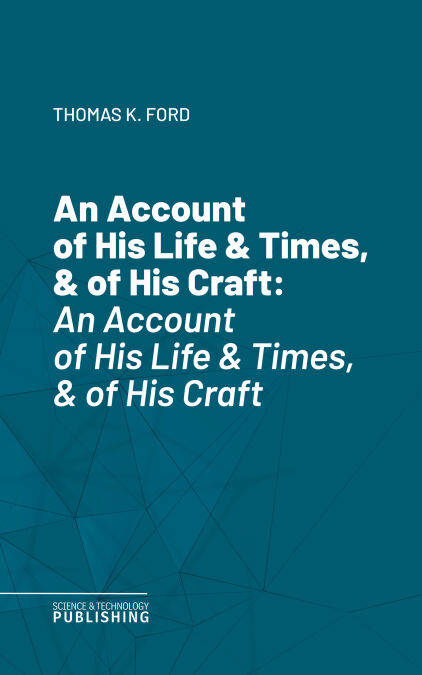
The Silversmith in Eighteenth-Century Williamsburg E-BOOK
An Account of His Life & Times, & of His Craft
Ford
E-book | Engels
€ 19,99
+ 19 punten
Omschrijving
The Silversmith in Eighteenth-Century Williamsburg: An Account of His Life & Times, & of His Craft offers a vivid and detailed exploration of the world of colonial American silversmiths, focusing on their daily lives, social standing, and the intricate artistry of their trade. Set in the bustling colonial capital of Williamsburg, Virginia, the book delves into the essential role silversmiths played in the community, crafting everything from elegant tableware and personal adornments to vital household items. Through engaging narrative and historical anecdotes, readers are introduced to the training and apprenticeship system that shaped young craftsmen, the tools and techniques used in shaping precious metals, and the business practices that governed the trade. The book paints a rich portrait of the silversmith’s workshop, describing the sights, sounds, and smells of molten silver being transformed into objects of beauty and utility. It highlights the relationships between silversmiths and their patrons, the influence of English styles and trends, and the ways in which American artisans adapted European traditions to suit local tastes and resources. The narrative also touches on the broader social and economic context of eighteenth-century Williamsburg, illustrating how silversmiths contributed to the city’s prosperity and cultural life. With a blend of historical research, period illustrations, and practical insights into the craft, The Silversmith in Eighteenth-Century Williamsburg is both an informative resource and a captivating journey into the past. It appeals to history enthusiasts, lovers of fine craftsmanship, and anyone interested in the daily realities of colonial America, offering a window into a world where artistry, skill, and community were inextricably linked.
Specificaties
Betrokkenen
- Auteur(s):
- Uitgeverij:
Inhoud
- Taal:
- Engels
Eigenschappen
- Productcode (EAN):
- 9782528115770
- Verschijningsdatum:
- 31/08/2025
- Uitvoering:
- E-book
- Formaat:
- ePub


Alleen bij Standaard Boekhandel
+ 19 punten op je klantenkaart van Standaard Boekhandel
Cadeau

AANGERADEN


Beoordelingen
We publiceren alleen reviews die voldoen aan de voorwaarden voor reviews. Bekijk onze voorwaarden voor reviews.