


- Afhalen na 1 uur in een winkel met voorraad
- Gratis thuislevering in België vanaf € 30
- Ruim aanbod met 7 miljoen producten
- Afhalen na 1 uur in een winkel met voorraad
- Gratis thuislevering in België vanaf € 30
- Ruim aanbod met 7 miljoen producten





€ 23,45
+ 46 punten
Omschrijving
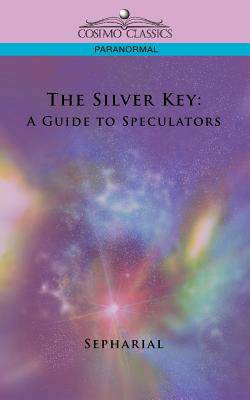
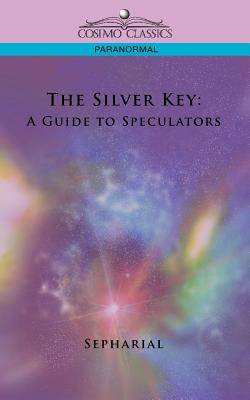
Sepharial was. ".the prince of English astrologers." - The Referee ".the foremost living astrologer." - Evening News In The Silver Key:, which is subtitled "A Guide to Speculators," Sepharial tests the accuracy of astrological prediction on horseracing. The winning result is achieved through a mix of numerology, astrology, and other occult methods. Chapters include the Science of Numbers, Names and Numbers, Winning Colours, and The Lunar Key. Sepharial's method is still in use - with some success ¬- today. This Cosimo Classic is based on the book's Second Edition. AUTHOR BIO: SEPHARIAL (1864-1929) was born Walter Richard Old in Birmingham, England. At the age of 22 he had a mystical experience and spent the rest of his life seeking his true self and trying to unravel the future through astrology and other methods. After a scrape with Blavatsky's Theosophical society he changed his name to Walter Gornold, though by the end of the 19th century he was better known as Sepharial. He produced six children and authored nearly 60 books. Sepharial was the first president of the British Astrological Society, and counted among his friends such people as H.P. Blavatsky, Alan Leo, and Charles Carter, who believed that Sepharial was more than a mere astrologer and brilliant at almost everything he touched.
Specificaties
Betrokkenen
- Auteur(s):
- Uitgeverij:
Inhoud
- Aantal bladzijden:
- 96
- Taal:
- Engels
Eigenschappen
- Productcode (EAN):
- 9781596056299
- Verschijningsdatum:
- 1/12/2005
- Uitvoering:
- Paperback
- Formaat:
- Trade paperback (VS)
- Afmetingen:
- 127 mm x 203 mm
- Gewicht:
- 113 g


Alleen bij Standaard Boekhandel
+ 46 punten op je klantenkaart van Standaard Boekhandel
Cadeau

AANGERADEN


Beoordelingen
We publiceren alleen reviews die voldoen aan de voorwaarden voor reviews. Bekijk onze voorwaarden voor reviews.