


- Afhalen na 1 uur in een winkel met voorraad
- Gratis thuislevering in België vanaf € 30
- Ruim aanbod met 7 miljoen producten
- Afhalen na 1 uur in een winkel met voorraad
- Gratis thuislevering in België vanaf € 30
- Ruim aanbod met 7 miljoen producten





€ 167,95
+ 335 punten
Omschrijving
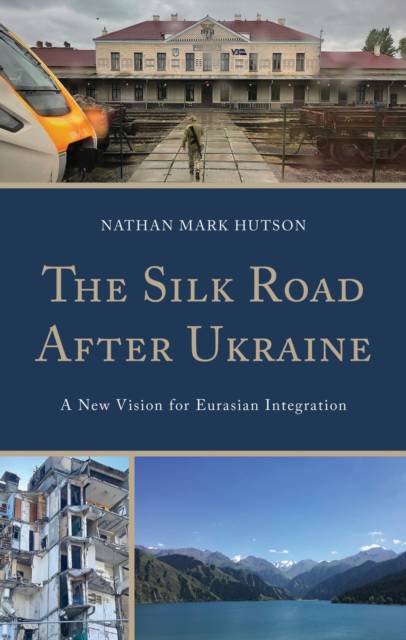
The Silk Road After Ukraine: A New Vision for Eurasian Integration explores the long-term implications of Russia's invasion of Ukraine on Eurasian supply chains and Eurasia's development trajectory. Through an in-depth examination of China's original motivations for launching the New Silk Road, contextualized with the potential impacts on other players along the trade corridor, this book assesses how states that were largely left out of the pre-invasion may capitalize on the new opportunities brought about by divestment in supply chains that traverse Russian and Belarusian territory. Rather than focusing exclusively on state actors, Nathan Mark Hutson also examines the role of regional and private sector players in creating coalitions for corridor prioritization. This book further illustrates why the liberation and restoration of Ukraine's ports, along with a guarantee of freedom of commerce in the Black and Caspian Seas, are essential factors for the successful development of Eurasia as a dynamic trade space.
Specificaties
Betrokkenen
- Auteur(s):
- Uitgeverij:
Inhoud
- Aantal bladzijden:
- 238
- Taal:
- Engels
- Reeks:
Eigenschappen
- Productcode (EAN):
- 9781666944303
- Verschijningsdatum:
- 15/12/2024
- Uitvoering:
- Hardcover
- Formaat:
- Genaaid
- Afmetingen:
- 152 mm x 229 mm
- Gewicht:
- 462 g


Alleen bij Standaard Boekhandel
+ 335 punten op je klantenkaart van Standaard Boekhandel
Cadeau

AANGERADEN


Beoordelingen
We publiceren alleen reviews die voldoen aan de voorwaarden voor reviews. Bekijk onze voorwaarden voor reviews.