


- Afhalen na 1 uur in een winkel met voorraad
- Gratis thuislevering in België vanaf € 30
- Ruim aanbod met 7 miljoen producten
- Afhalen na 1 uur in een winkel met voorraad
- Gratis thuislevering in België vanaf € 30
- Ruim aanbod met 7 miljoen producten





€ 54,45
+ 108 punten
Omschrijving
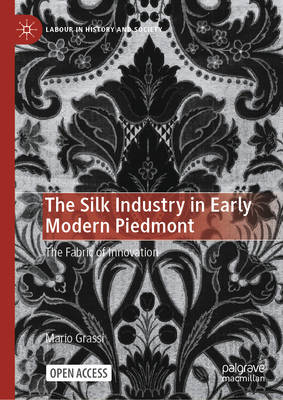
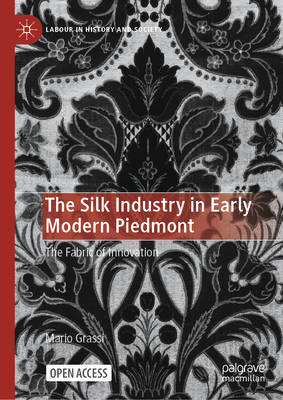
This open access book examines how Piedmont, in early modern Italy, developed silk production into a distinctive system of technological and social innovation. It explores the ways in which this fragile yet economically significant material shaped regional strategies of adaptation and growth, linking local expertise to the expanding networks of global trade. Across ten chapters, the author traces the evolution of a complex production ecosystem, from small workshops to royal manufactories, and considers how technology, policy, and labour interacted to sustain the silk economy. Particular attention is given to the contributions of women, migrants, and apprentices, whose work underpinned both the aesthetics of fashion and the practical mechanisms of manufacture. As political and economic transformations unfolded across eighteenth-century Europe, silk became a lens through which to examine tensions between tradition and change, and between vulnerability and resilience. By situating Piedmont within broader European processes, the book demonstrates that innovation emerged not solely from institutional or technological breakthroughs, but from the craft of making, the capacity to adapt, and the steady labour of human hands.
Specificaties
Betrokkenen
- Auteur(s):
- Uitgeverij:
Inhoud
- Aantal bladzijden:
- 297
- Taal:
- Engels
- Reeks:
Eigenschappen
- Productcode (EAN):
- 9783032153524
- Verschijningsdatum:
- 13/05/2026
- Uitvoering:
- Hardcover
- Formaat:
- Genaaid
- Afmetingen:
- 148 mm x 210 mm


Alleen bij Standaard Boekhandel
+ 108 punten op je klantenkaart van Standaard Boekhandel
AANGERADEN


Beoordelingen
We publiceren alleen reviews die voldoen aan de voorwaarden voor reviews. Bekijk onze voorwaarden voor reviews.