


- Afhalen na 1 uur in een winkel met voorraad
- Gratis thuislevering in België vanaf € 30
- Ruim aanbod met 7 miljoen producten
- Afhalen na 1 uur in een winkel met voorraad
- Gratis thuislevering in België vanaf € 30
- Ruim aanbod met 7 miljoen producten





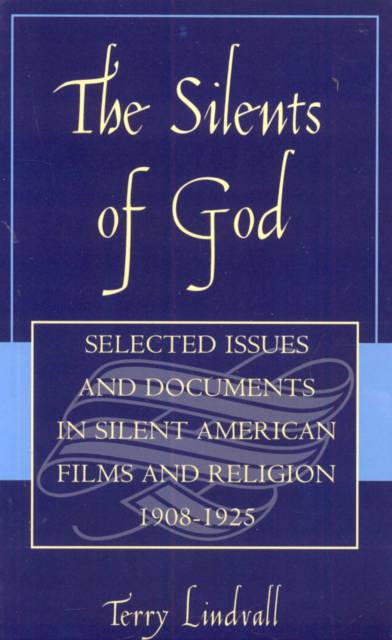
The Silents of God
Selected Issues and Documents in Silent American Film and Religion, 1908-1925
Terry Lindvall
Hardcover | Engels
€ 161,45
+ 322 punten
Eenvoudig bestellen
Veilig betalen


Gratis thuislevering vanaf € 30 (via bpost)
Gratis levering in je Standaard Boekhandel
Omschrijving
Covering the historical period from 1908 to 1925, this study showcases pamphlets, magazine articles (from both religious and film periodicals), sermons, and other discourse that chronicle an early vision of church/photoplay cooperation and its subsequent dissolution with the advent of growing suspicion, Hollywood scandals, Sabbatical reform movements, and alternative communication technologies. This collection of documents challenges the enduring fiction that the Church was hostile to the moving picture at its inception; rather, the Church sought to appropriate its potential for evangelism, education, and social reform. Divided into four chronological sections, the study traces the process of religious response to film as a prophetic vision, a series of great debates, the articulation of film as a handmaiden to church work, and the great divorce of church and cinema, culminating in a religious posture and emphasis on rigid censorship rather than creative dialogue.
Specificaties
Betrokkenen
- Auteur(s):
- Uitgeverij:
Inhoud
- Aantal bladzijden:
- 440
- Taal:
- Engels
Eigenschappen
- Productcode (EAN):
- 9780810839540
- Verschijningsdatum:
- 1/10/2001
- Uitvoering:
- Hardcover
- Formaat:
- Genaaid
- Afmetingen:
- 145 mm x 216 mm
- Gewicht:
- 703 g


Alleen bij Standaard Boekhandel
+ 322 punten op je klantenkaart van Standaard Boekhandel
CADEAU

AANGERADEN


Beoordelingen
We publiceren alleen reviews die voldoen aan de voorwaarden voor reviews. Bekijk onze voorwaarden voor reviews.