


- Afhalen na 1 uur in een winkel met voorraad
- Gratis thuislevering in België vanaf € 30
- Ruim aanbod met 7 miljoen producten
- Afhalen na 1 uur in een winkel met voorraad
- Gratis thuislevering in België vanaf € 30
- Ruim aanbod met 7 miljoen producten





€ 11,45
+ 22 punten
Omschrijving
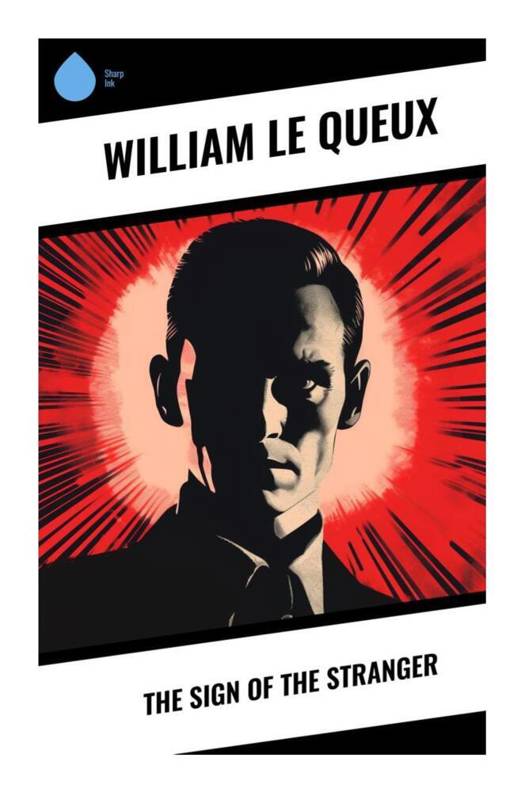
The Sign of the Stranger is a characteristic Edwardian thriller in which William Le Queux transforms ordinary social encounters into occasions of menace, secrecy, and revelation. The novel moves through a world of coded gestures, doubtful identities, and international intrigue, combining detective romance with the emerging conventions of espionage fiction. Its style is brisk, sensational, and insistently suspenseful, relying on abrupt discoveries and atmospheric uncertainty rather than psychological realism. In literary context, it belongs to the popular fiction that registered Britain's fin-de-siècle fears about foreign plots, social disguise, and hidden criminal networks. Le Queux was among the most prolific and influential writers of early spy fiction. A journalist, traveller, and self-fashioned authority on diplomatic secrets, he repeatedly drew on contemporary anxieties about invasion, surveillance, anarchism, and continental conspiracy. His career coincided with the growth of mass-market periodicals and a reading public eager for topical excitement. The Sign of the Stranger reflects his talent for turning public unease into fast-moving narrative entertainment. Readers interested in the origins of the modern thriller will find this book especially rewarding. It offers not only suspense and melodrama, but also a revealing glimpse into the fears and fascinations of Edwardian Britain.
Specificaties
Betrokkenen
- Auteur(s):
- Uitgeverij:
Inhoud
- Taal:
- Engels
Eigenschappen
- Productcode (EAN):
- 9788028331221
- Uitvoering:
- Paperback
- Afmetingen:
- 152 mm x 229 mm
- Gewicht:
- 201 g


Alleen bij Standaard Boekhandel
+ 22 punten op je klantenkaart van Standaard Boekhandel
Cadeau

AANGERADEN


Beoordelingen
We publiceren alleen reviews die voldoen aan de voorwaarden voor reviews. Bekijk onze voorwaarden voor reviews.