


- Afhalen na 1 uur in een winkel met voorraad
- Gratis thuislevering in België vanaf € 30
- Ruim aanbod met 7 miljoen producten
- Afhalen na 1 uur in een winkel met voorraad
- Gratis thuislevering in België vanaf € 30
- Ruim aanbod met 7 miljoen producten





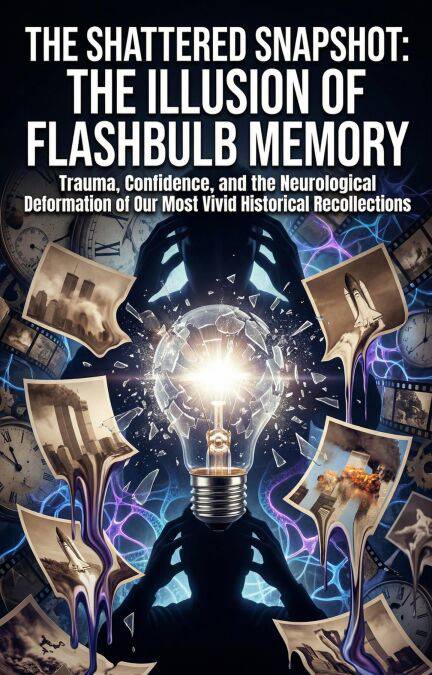
The Shattered Snapshot: The Illusion of Flashbulb Memory E-BOOK
Trauma, Confidence, and the Neurological Deformation of Our Most Vivid Historical Recollections
Andrea Thomas
E-book | Engels
€ 4,99
+ 4 punten
Omschrijving
Ask anyone exactly where they were and what they were doing when they heard about the 9/11 attacks or the Challenger explosion. They will confidently provide you with a "Flashbulb Memory"—a highly detailed, incredibly vivid, cinematic snapshot of that exact moment. They will swear on their life that their memory is 100% accurate. Neuroscience proves they are overwhelmingly wrong.
This book breaks down the unsettling fragility of catastrophic recall. While high-adrenaline trauma does permanently burn the core emotion into the amygdala, the actual factual details—who was in the room, what they were wearing, how they heard the news—are heavily corrupted, overwritten, and distorted every single time the memory is accessed and discussed over the years.
We explore landmark longitudinal studies where researchers recorded people's memories the day after a tragedy and interviewed them again ten years later, proving that while their factual accuracy dropped by 50%, their psychological confidence in those false memories remained at an absolute, unshakable 100%.
Question the museum of your mind. Learn why the memories you are most certain of are often the ones your brain has most heavily fictionalized.
This book breaks down the unsettling fragility of catastrophic recall. While high-adrenaline trauma does permanently burn the core emotion into the amygdala, the actual factual details—who was in the room, what they were wearing, how they heard the news—are heavily corrupted, overwritten, and distorted every single time the memory is accessed and discussed over the years.
We explore landmark longitudinal studies where researchers recorded people's memories the day after a tragedy and interviewed them again ten years later, proving that while their factual accuracy dropped by 50%, their psychological confidence in those false memories remained at an absolute, unshakable 100%.
Question the museum of your mind. Learn why the memories you are most certain of are often the ones your brain has most heavily fictionalized.
Specificaties
Betrokkenen
- Auteur(s):
- Uitgeverij:
Inhoud
- Aantal bladzijden:
- 186
- Taal:
- Engels
Eigenschappen
- Productcode (EAN):
- 9783565380039
- Verschijningsdatum:
- 1/04/2026
- Uitvoering:
- E-book
- Formaat:
- ePub


Alleen bij Standaard Boekhandel
+ 4 punten op je klantenkaart van Standaard Boekhandel
Cadeau

AANGERADEN


Beoordelingen
We publiceren alleen reviews die voldoen aan de voorwaarden voor reviews. Bekijk onze voorwaarden voor reviews.