


- Afhalen na 1 uur in een winkel met voorraad
- Gratis thuislevering in België vanaf € 30
- Ruim aanbod met 7 miljoen producten
- Afhalen na 1 uur in een winkel met voorraad
- Gratis thuislevering in België vanaf € 30
- Ruim aanbod met 7 miljoen producten





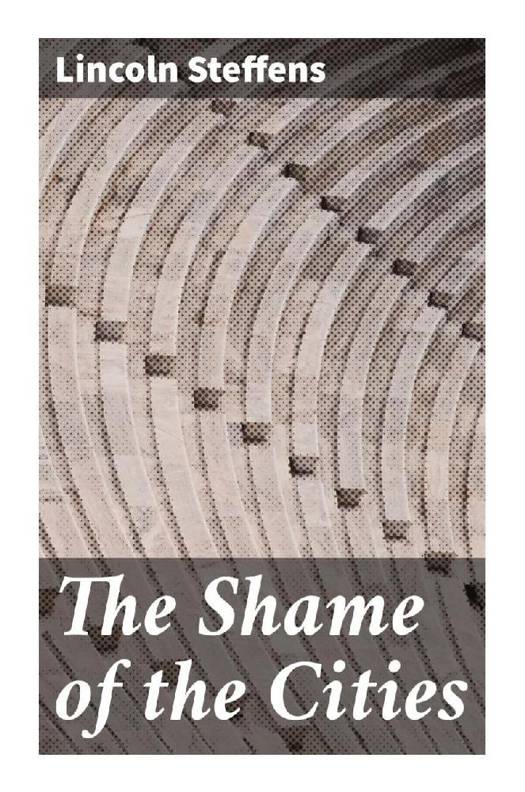
The Shame of the Cities
A Progressive Era Exposé of Municipal Corruption, Political Machines, and the Fight for Civic Reform
Lincoln Steffens
Paperback | Engels
€ 9,45
+ 18 punten
Eenvoudig bestellen
Veilig betalen


Gratis thuislevering vanaf € 30 (via bpost)
Gratis levering in je Standaard Boekhandel
Omschrijving
The Shame of the Cities is a landmark of Progressive Era muckraking, collecting Lincoln Steffens's investigative reports on municipal corruption in St. Louis, Minneapolis, Pittsburgh, Philadelphia, Chicago, and New York. Written in a lucid, morally charged journalistic style, the book exposes not merely crooked officials but the civic habits, business alliances, and public indifference that allowed corruption to flourish. Its literary force lies in its fusion of reportage, social criticism, and democratic exhortation. Lincoln Steffens, born in 1866 and trained in European universities before entering American journalism, became one of the defining voices of reform-minded investigative writing. As an editor and reporter for McClure's Magazine, he helped shape the muckraking tradition by insisting that corruption was systemic rather than accidental. His cosmopolitan education, urban experience, and commitment to public accountability all informed the book's searching analysis of American democracy in practice. This book is essential for readers interested in political history, journalism, urban studies, or reform literature. Steffens offers more than an exposé: he provides a still-relevant meditation on citizenship, power, and moral responsibility in public life.
Specificaties
Betrokkenen
- Auteur(s):
- Uitgeverij:
Inhoud
- Taal:
- Engels
Eigenschappen
- Productcode (EAN):
- 9788027292875
- Uitvoering:
- Paperback
- Afmetingen:
- 152 mm x 229 mm
- Gewicht:
- 159 g


Alleen bij Standaard Boekhandel
+ 18 punten op je klantenkaart van Standaard Boekhandel
CADEAU

AANGERADEN


Beoordelingen
We publiceren alleen reviews die voldoen aan de voorwaarden voor reviews. Bekijk onze voorwaarden voor reviews.