


- Afhalen na 1 uur in een winkel met voorraad
- Gratis thuislevering in België vanaf € 30
- Ruim aanbod met 7 miljoen producten
- Afhalen na 1 uur in een winkel met voorraad
- Gratis thuislevering in België vanaf € 30
- Ruim aanbod met 7 miljoen producten





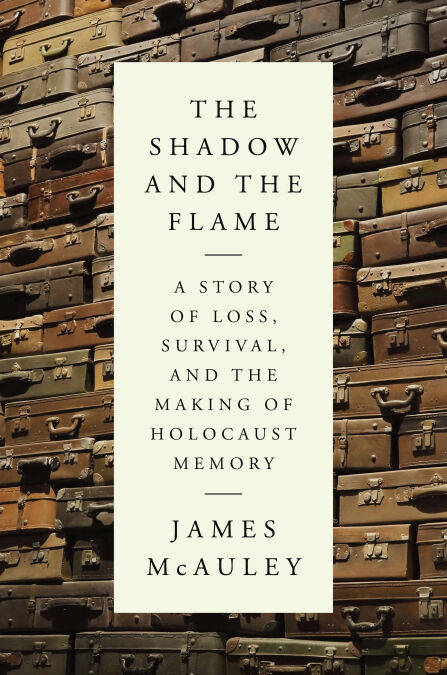
The Shadow and the Flame E-BOOK
A Story of Loss, Survival, and the Making of Holocaust Memory
James McAuley
E-book | Engels
€ 17,34
+ 17 punten
Uitvoering
Omschrijving
An intellectual history—intimate in its telling, epic in its scope—of the years following World War II, when the form and character of Holocaust remembrance was fiercely debated
In 1945, the end of World War II and the liberation of the Nazi camps ended the catastrophe that we now know as the Holocaust. Stunned by grief, survivors faced the task of not only forging new lives but also shaping how this cataclysm might be remembered by generations to come.
A magisterial work of history years in the making, The Shadow and the Flame takes as its subject the urgent debate that ensued—one that spanned decades and continents and that was the first of its kind. Acclaimed historian James McAuley takes us into the minds and hearts of the individuals—many well-known, others largely forgotten—who waged that dispute in Europe, the United States, and the newly established state of Israel: from Hannah Arendt, whose reporting from the Eichmann trial enraged her fellow Jews; to Sol Baron, the era’s preeminent Jewish historian, who battled to protect the story of his people from the burden of tragedy; to Elie Wiesel, whose account of life at Auschwitz became the one the world chose to embrace, even as it alienated many of his peers.
McAuley transports us from Paris to New York, from the desecrated ghettos of Poland to the newly established state of Israel, as the event we now call the Holocaust made an uneasy transition into memory—one that, far from being neatly resolved, weighs heavily upon the present. Bold, learned, monumental in its scope and infused with the energy and emotion of its principals, The Shadow and the Flame is the dramatic account of the contentious process—at once painful and shot through with urgency and consequence—of crafting history in real time.
In 1945, the end of World War II and the liberation of the Nazi camps ended the catastrophe that we now know as the Holocaust. Stunned by grief, survivors faced the task of not only forging new lives but also shaping how this cataclysm might be remembered by generations to come.
A magisterial work of history years in the making, The Shadow and the Flame takes as its subject the urgent debate that ensued—one that spanned decades and continents and that was the first of its kind. Acclaimed historian James McAuley takes us into the minds and hearts of the individuals—many well-known, others largely forgotten—who waged that dispute in Europe, the United States, and the newly established state of Israel: from Hannah Arendt, whose reporting from the Eichmann trial enraged her fellow Jews; to Sol Baron, the era’s preeminent Jewish historian, who battled to protect the story of his people from the burden of tragedy; to Elie Wiesel, whose account of life at Auschwitz became the one the world chose to embrace, even as it alienated many of his peers.
McAuley transports us from Paris to New York, from the desecrated ghettos of Poland to the newly established state of Israel, as the event we now call the Holocaust made an uneasy transition into memory—one that, far from being neatly resolved, weighs heavily upon the present. Bold, learned, monumental in its scope and infused with the energy and emotion of its principals, The Shadow and the Flame is the dramatic account of the contentious process—at once painful and shot through with urgency and consequence—of crafting history in real time.
Specificaties
Betrokkenen
- Auteur(s):
- Uitgeverij:
Inhoud
- Aantal bladzijden:
- 448
- Taal:
- Engels
Eigenschappen
- Productcode (EAN):
- 9780593535752
- Verschijningsdatum:
- 25/01/2027
- Uitvoering:
- E-book
- Beveiligd met:
- Adobe DRM
- Formaat:
- ePub


Alleen bij Standaard Boekhandel
+ 17 punten op je klantenkaart van Standaard Boekhandel
Cadeau

AANGERADEN


Beoordelingen
We publiceren alleen reviews die voldoen aan de voorwaarden voor reviews. Bekijk onze voorwaarden voor reviews.