


- Afhalen na 1 uur in een winkel met voorraad
- Gratis thuislevering in België vanaf € 30
- Ruim aanbod met 7 miljoen producten
- Afhalen na 1 uur in een winkel met voorraad
- Gratis thuislevering in België vanaf € 30
- Ruim aanbod met 7 miljoen producten





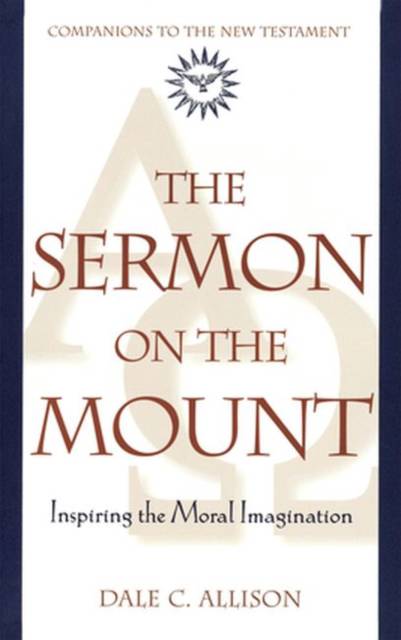
The Sermon on the Mount Inspiring the Moral Imagination
Inspiring the Moral Imagination
Dale Allison
€ 37,45
+ 74 punten
Omschrijving
Too often the Sermon on the Mount has been interpreted as though it were a book itself rather than a portion of a book. Dale Allison insists on the contrary that the full meaning of these chapters in Matthew's Gospel can be seen only in relation to the broader literary context of the Gospel as a whole, with its Jewish Christian orientation. Indeed, the Sermon and the moral imperatives it contains must be understood: 1) in relation to the example provided by Jesus' words and deeds elsewhere in the Gospel; 2) with reference to the community of believers that constitutes the intended audience of Matthew's Gospel; and 3) in terms of what the Gospel says elsewhere about the end of the age. The Sermon does not present a simple set of rules, perhaps only intended for a small and select group within the Christian community, but seeks to instill a moral vision and to inspire the moral imagination of all who would follow Jesus.
Specificaties
Betrokkenen
- Auteur(s):
- Uitgeverij:
Inhoud
- Aantal bladzijden:
- 200
- Taal:
- Engels
- Reeks:
Eigenschappen
- Productcode (EAN):
- 9780824517915
- Verschijningsdatum:
- 1/05/1999
- Uitvoering:
- Paperback
- Formaat:
- Trade paperback (VS)
- Afmetingen:
- 154 mm x 231 mm
- Gewicht:
- 299 g


Alleen bij Standaard Boekhandel
+ 74 punten op je klantenkaart van Standaard Boekhandel

Beoordelingen
We publiceren alleen reviews die voldoen aan de voorwaarden voor reviews. Bekijk onze voorwaarden voor reviews.