


- Afhalen na 1 uur in een winkel met voorraad
- Gratis thuislevering in België vanaf € 30
- Ruim aanbod met 7 miljoen producten
- Afhalen na 1 uur in een winkel met voorraad
- Gratis thuislevering in België vanaf € 30
- Ruim aanbod met 7 miljoen producten





Omschrijving
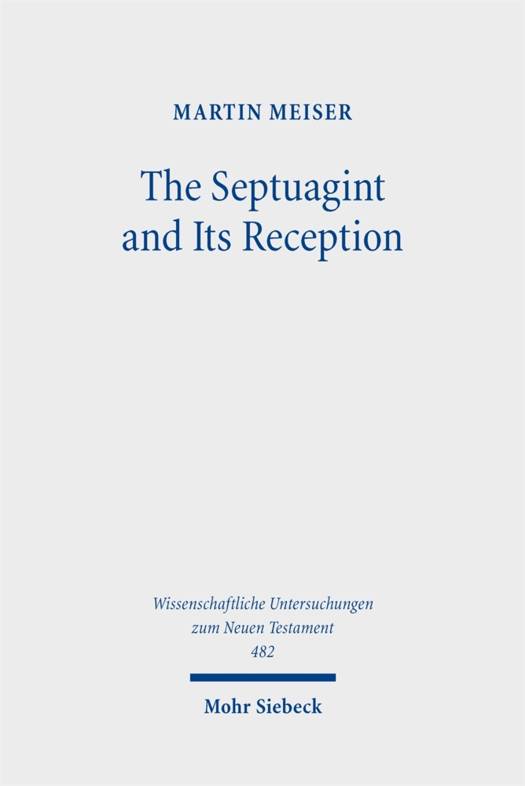
The Septuagint is an important source for the study of ancient Judaism and, in terms of textual development and theology, is to be embedded in the literature of the last three centuries BCE. At the same time, the Septuagint often is the authoritative reference text of ancient Christian reception of the so-called Old Testament. The essays collected in this volume deal in their first part with the interpretation of the Septuagint, primarily the historical and the prophetic books. Questions of textual criticism and theology are addressed in the two sections on the New Testament (Gospel of Mark, Acts, and Paul) and Patristics (Justin and Jerome, for example). The final section is devoted to the patristic interpretation of Old Testament texts (Gen 2-3; Gen 28:10-22; Jer 10:1-16; Psalms), themes (notion of God; pseudo-prophecy), and figures (Adam, Abraham, Hannah).
Specificaties
Betrokkenen
- Auteur(s):
- Uitgeverij:
Inhoud
- Aantal bladzijden:
- 612
- Taal:
- Engels
- Reeks:
Eigenschappen
- Productcode (EAN):
- 9783161549175
- Verschijningsdatum:
- 1/06/2022
- Uitvoering:
- Hardcover
- Formaat:
- Genaaid
- Afmetingen:
- 158 mm x 231 mm
- Gewicht:
- 1020 g


Alleen bij Standaard Boekhandel
+ 365 punten op je klantenkaart van Standaard Boekhandel
AANGERADEN


Beoordelingen
We publiceren alleen reviews die voldoen aan de voorwaarden voor reviews. Bekijk onze voorwaarden voor reviews.