



- Afhalen na 1 uur in een winkel met voorraad
- In januari gratis thuislevering in België
- Ruim aanbod met 7 miljoen producten
- Afhalen na 1 uur in een winkel met voorraad
- In januari gratis thuislevering in België
- Ruim aanbod met 7 miljoen producten





€ 54,45
+ 108 punten
Uitvoering
Omschrijving
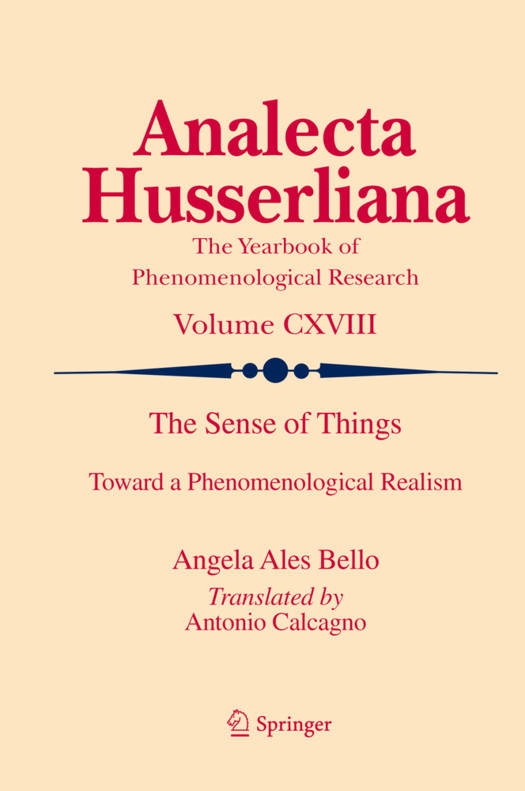
This book proposes a new interpretative key for reading and overcoming the binary of idealism and realism. It takes as its central issue for exploration the way in which human consciousness unfolds, i.e., through the relationship between the I and the world--a field of phenomenological investigation that cannot and must not remain closed within the limits of its own disciplinary borders. The book focuses on the question of realism in contemporary debates, ultimately dismantling prejudices and automatisms that one finds therein. It shows that at the root of the controversy between realism and idealism there often lie equivocations of a semantic nature and by going back to the origins of modern phenomenology it puts into play a discussion of the Husserlian concept of transcendental idealism. Following this path and neutralizing the extreme positions of a critical idealism and a naïve realism, the book proposes a "transcendental realism" the horizon of a dynamic unity that embraces the process of cognition and that grounds the relation, and not the subordination, of subject and object. The investigation of this reciprocity allows the surpassing of the limits of the domain of knowing, leading to fundamental questions surrounding the ultimate sense of things and their origin.
Specificaties
Betrokkenen
- Auteur(s):
- Vertaler(s):
- Uitgeverij:
Inhoud
- Aantal bladzijden:
- 118
- Taal:
- Engels
- Reeks:
- Reeksnummer:
- nr. 118
Eigenschappen
- Productcode (EAN):
- 9783319153940
- Verschijningsdatum:
- 18/05/2015
- Uitvoering:
- Hardcover
- Formaat:
- Genaaid
- Afmetingen:
- 156 mm x 234 mm
- Gewicht:
- 371 g


Alleen bij Standaard Boekhandel
+ 108 punten op je klantenkaart van Standaard Boekhandel
Cadeau

AANGERADEN


Beoordelingen
We publiceren alleen reviews die voldoen aan de voorwaarden voor reviews. Bekijk onze voorwaarden voor reviews.