


- Afhalen na 1 uur in een winkel met voorraad
- Gratis thuislevering in België vanaf € 30
- Ruim aanbod met 7 miljoen producten
- Afhalen na 1 uur in een winkel met voorraad
- Gratis thuislevering in België vanaf € 30
- Ruim aanbod met 7 miljoen producten





€ 50,45
+ 100 punten
Omschrijving
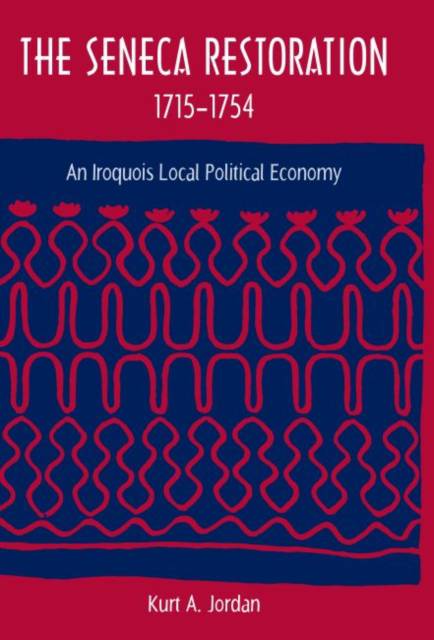
The Iroquois confederacy, one of the most influential Native American groups encountered by early European settlers, is commonly perceived as having plunged into steep decline in the late seventeenth century due to colonial encroachment into the Great Lakes region. Kurt Jordan challenges long-standing interpretations that depict the Iroquois as defeated, colonized peoples by demonstrating that an important nation of that confederacy, the Senecas, maintained an impressive political and economic autonomy and resisted colonialism with a high degree of success. By combining archaeological data grounded in the material culture of the Seneca Townley-Read site with historical documents, Jordan answers larger questions about the Seneca's cultural sustainability and durability in an era of intense colonial pressures. He offers a detailed reconstruction of daily life in the Seneca community and demonstrates that they were extremely selective about which aspects of European material culture, plant and animal species, and lifeways they allowed into their territory.
Specificaties
Betrokkenen
- Auteur(s):
- Uitgeverij:
Inhoud
- Aantal bladzijden:
- 448
- Taal:
- Engels
- Reeks:
Eigenschappen
- Productcode (EAN):
- 9780813036854
- Verschijningsdatum:
- 10/02/2011
- Uitvoering:
- Paperback
- Formaat:
- Trade paperback (VS)
- Afmetingen:
- 156 mm x 234 mm
- Gewicht:
- 612 g


Alleen bij Standaard Boekhandel
+ 100 punten op je klantenkaart van Standaard Boekhandel

Beoordelingen
We publiceren alleen reviews die voldoen aan de voorwaarden voor reviews. Bekijk onze voorwaarden voor reviews.