


- Afhalen na 1 uur in een winkel met voorraad
- Gratis thuislevering in België vanaf € 30
- Ruim aanbod met 7 miljoen producten
- Afhalen na 1 uur in een winkel met voorraad
- Gratis thuislevering in België vanaf € 30
- Ruim aanbod met 7 miljoen producten





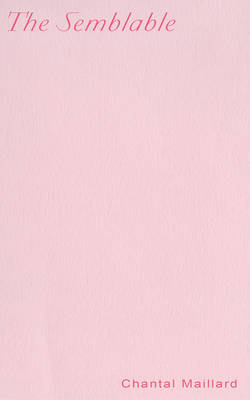
The Semblable: Is a World Without Violence Possible?
Is a World Without Violence Possible?
Chantal Maillard
Paperback | Engels
€ 13,95
+ 27 punten
Omschrijving
Literary Nonfiction. Essay. Spanish poet and philosopher Chantal Maillard asks whether a world without violence is possible. Beginning with the tale of Nietzsche's embrace of the Turin horse, and engaging with thinkers from Confucius to Derrida to Sontag, Maillard reflects on how the concept of the "semblable" (one's other, neighbor, peer, fellow) justifies defensive foreign and domestic policy as well as state-sanctioned global violence. Can we broaden our "frameworks of belonging" and replace our narrow group and species-centered morals with an ethics of interspecies compassion? And if we could, given that the natural world cannot be sustained without violence, would it be possible to create change without violence?
Specificaties
Betrokkenen
- Auteur(s):
- Vertaler(s):
- Uitgeverij:
Inhoud
- Aantal bladzijden:
- 48
- Taal:
- Engels
Eigenschappen
- Productcode (EAN):
- 9781946433671
- Verschijningsdatum:
- 15/12/2020
- Uitvoering:
- Paperback
- Formaat:
- Trade paperback (VS)
- Afmetingen:
- 122 mm x 198 mm
- Gewicht:
- 45 g


Alleen bij Standaard Boekhandel
+ 27 punten op je klantenkaart van Standaard Boekhandel
Cadeau

AANGERADEN


Beoordelingen
We publiceren alleen reviews die voldoen aan de voorwaarden voor reviews. Bekijk onze voorwaarden voor reviews.